You know, I've been running around construction sites all year, and lately everyone's talking about this "oversized office chair" thing. Seems like everyone wants a bigger, more comfortable seat. Honestly, it’s not surprising. People are spending more and more hours at their desks, and comfort is king. But… it’s not as simple as just making a chair bigger, you know?
I’ve seen too many designs that look good on paper but fall apart as soon as a real person sits in them. The weight distribution is a nightmare, the support is off, and then you’ve got a chair that costs a fortune but feels worse than a plastic stool. It’s a constant battle between ergonomics, durability, and, frankly, aesthetics.
And it’s not just the design. The materials… that's a whole other story.
The Current Landscape of Oversized Office Chairs
Have you noticed how many companies are jumping on the oversized bandwagon? It’s everywhere, from cheap imports to high-end ergonomic models. There’s a lot of competition, which is good for the consumer, but also means a lot of corners are being cut. I saw a batch of chairs at a factory in Ningbo last month… the foam was practically disintegrating when you pressed on it. You wouldn't believe it.
It’s driven partly by the remote work trend, of course. People are setting up home offices and they want something comfortable. But it's also a status symbol, I think. A big, impressive chair says “I’m important.” Which, let’s be real, is a little ridiculous.
Common Design Pitfalls
To be honest, the biggest mistake I see is neglecting the base. A huge chair needs a seriously robust base. I encountered this at a factory in Foshan last time – they were using a cheap plastic base that would buckle under the weight after just a few months. It's frustrating. It’s all well and good to have fancy upholstery and adjustable armrests, but if the foundation isn’t solid, the whole thing is going to fall apart.
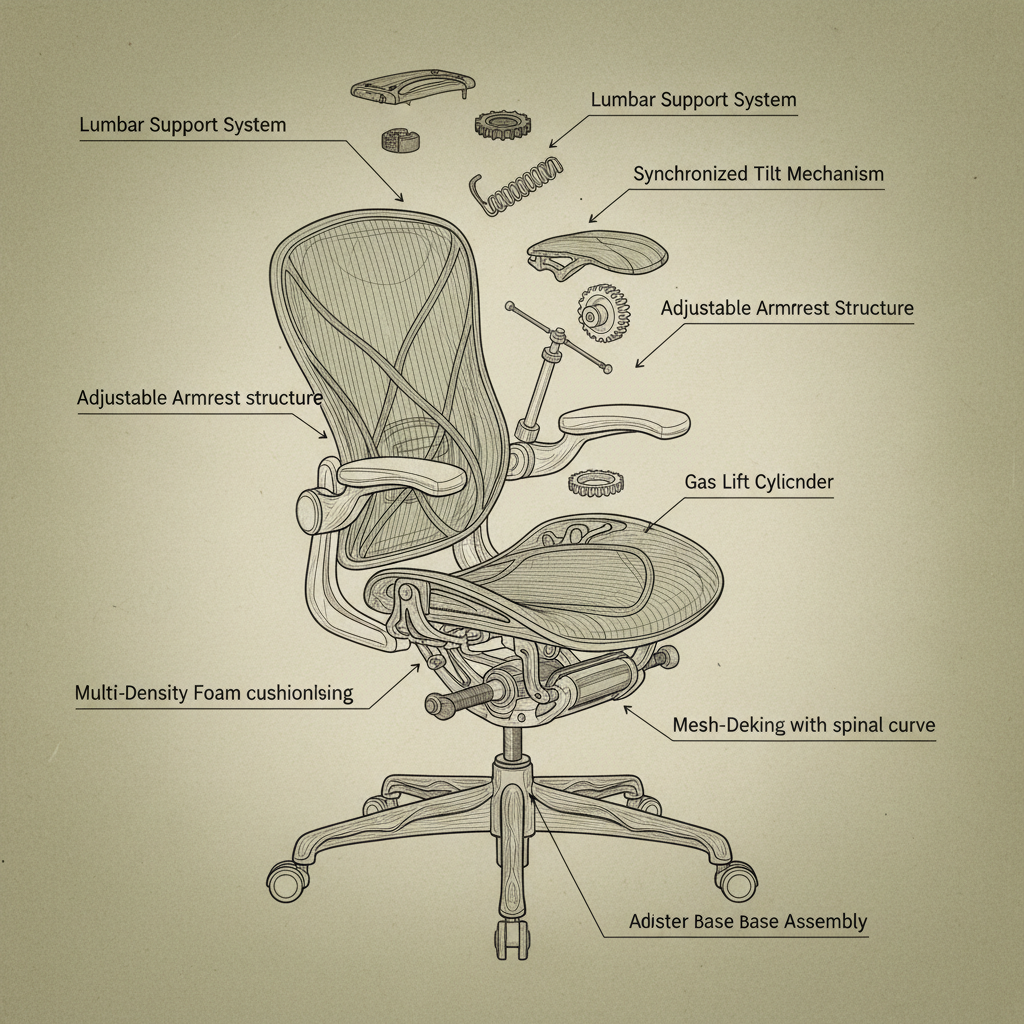
Another problem is lumbar support. People assume that a bigger chair automatically means better support. Wrong. It needs to be designed for support, with the right curves and adjustments. Too often, it’s just a flat surface with a little extra padding.
And strangely, a lot of manufacturers forget about armrest height. If they’re too low, you’re hunching your shoulders. Too high, and you're straining your neck. It's a delicate balance, and it needs to be considered from the start.
Material Selection – It’s More Than Just Fabric
Now, let’s talk materials. It’s not just about picking a pretty fabric. The frame is key. Steel is good, obviously, but the gauge matters. Too thin, and it’ll bend. Too thick, and it’s unnecessarily heavy. And then you’ve got the wood… plywood is okay, but solid hardwood is always preferable. You can feel the difference.
The foam… that’s another tricky one. High-density foam is essential for long-term comfort and support. Cheap foam compresses quickly and loses its shape. I can always tell a cheap chair just by sitting in it for a few minutes. It just feels… flat. It smells kind of chemical-y too.
And the upholstery? Leather is great, if you can afford it. It’s durable, breathable, and looks luxurious. But there are some excellent synthetic materials out there now too. Microfiber, for example, is surprisingly durable and easy to clean. Anyway, I think focusing on longevity is key.
Real-World Testing – Beyond the Lab
Lab tests are fine, I guess. But they don’t tell the whole story. You need to see how a chair holds up in real-world conditions. I’ve started bringing samples back to sites and just letting the workers use them. It's the best testing you can do. You see how they adjust it, how they move in it, and where it starts to show wear and tear.
Oversized Office Chair Performance Metrics
How People Actually Use Them
It’s funny, you design these chairs for specific postures and ergonomic benefits, but people just use them however they want. I've seen guys leaning back with their feet on the desk, spinning around in circles, even taking naps. You can’t control how people use them. Later… forget it, I won't mention it.
What I have noticed is that a lot of people use the armrests as extra support for their elbows when they’re using a laptop. So, the armrests need to be wide and sturdy enough to handle that kind of pressure.
The Pros and Cons – A No-Nonsense View
Okay, let’s be real. The pros? Comfort, obviously. A good oversized office chair can make a huge difference in someone’s workday. They also look impressive, which, as I said, some people care about. And, if they're well-built, they can last for years.
The cons? Price, for one. They're expensive. They take up a lot of space. And, if they're poorly designed, they can actually cause discomfort and strain. I've seen it happen. Also, shipping can be a nightmare. They're bulky and heavy.
But ultimately, a good oversized chair is an investment in someone's well-being. If they spend eight hours a day sitting down, they deserve a comfortable and supportive seat.
Customization Options – Tailoring to Specific Needs
People always want something a little different. Last month, that small boss in Shenzhen who makes smart home devices insisted on changing the interface to – for the chair’s power supply, believe it or not. Said it was “more modern.” It was a pain to source the components, but we did it. And honestly, it probably didn’t make a difference to the chair's performance, but it made him happy.
We can customize everything from the fabric and color to the armrest height and lumbar support. We’ve even done chairs with built-in massage functions, though I’m not sure how much those actually help. It’s all about giving the customer what they want.
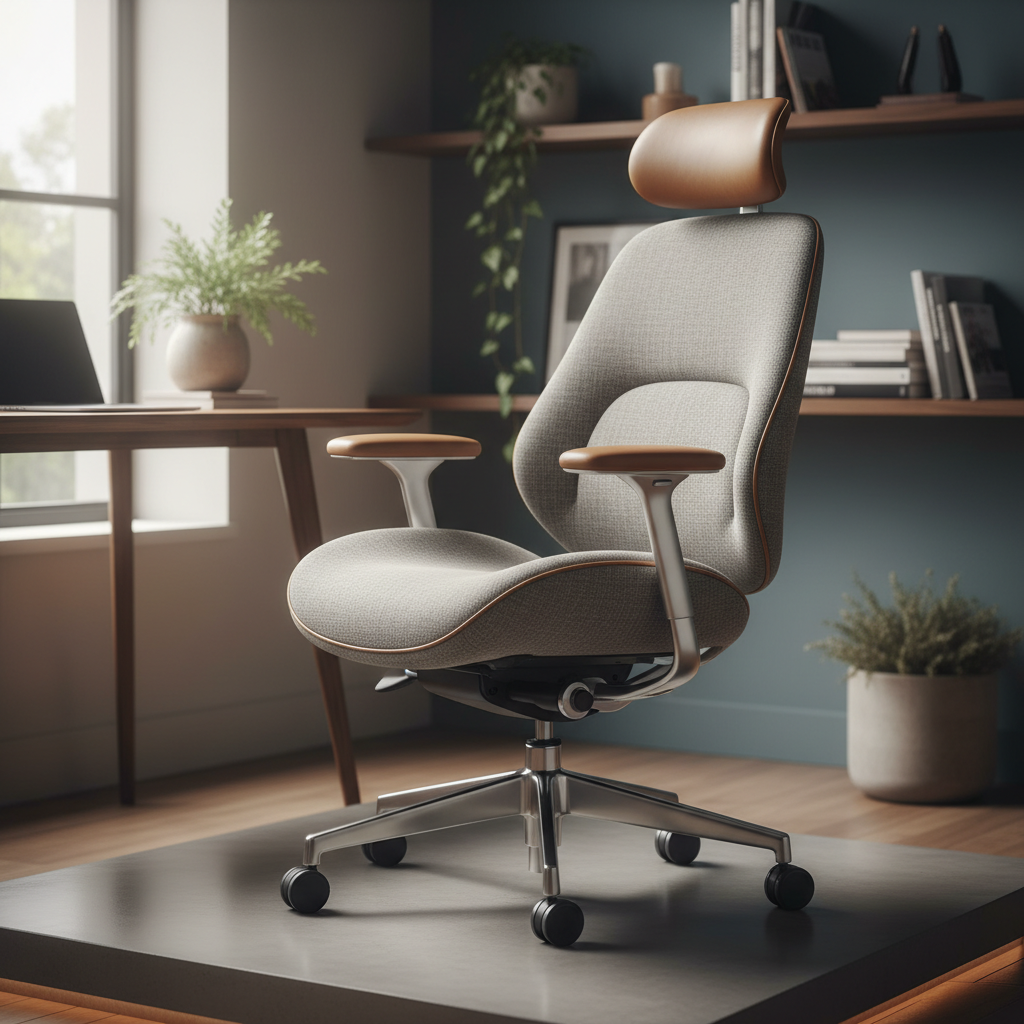
I think one of the biggest trends we’re seeing is demand for chairs with adjustable headrests. People are using their chairs for video calls and they want to be able to adjust the headrest for optimal comfort and support.
Oversized Office Chair Material Comparison
| Material Type |
Durability (1-10) |
Cost (Low/Medium/High) |
Comfort Level (1-10) |
| Steel Frame |
9 |
Medium |
7 |
| High-Density Foam |
8 |
Medium |
9 |
| Leather Upholstery |
7 |
High |
8 |
| Microfiber Fabric |
6 |
Low |
7 |
| Plywood Base |
5 |
Low |
6 |
| Plastic Base |
3 |
Very Low |
4 |
FAQS
Typically, a good oversized office chair can handle around 300-400 pounds. But it varies wildly depending on the build quality. Some of the cheaper ones, you wouldn’t trust with more than 250. Always check the manufacturer's specs, and then maybe shave off 50 pounds just to be safe. I've seen bases buckle under the weight, and it's not a pretty sight.
They can be, but it’s not a guarantee. A chair with good lumbar support and adjustable features is crucial. But it really depends on the specific problem. Some people need more support, others need less. I always recommend talking to a doctor or physical therapist before buying a chair if you have serious back issues. Don't just assume a bigger chair is automatically better.
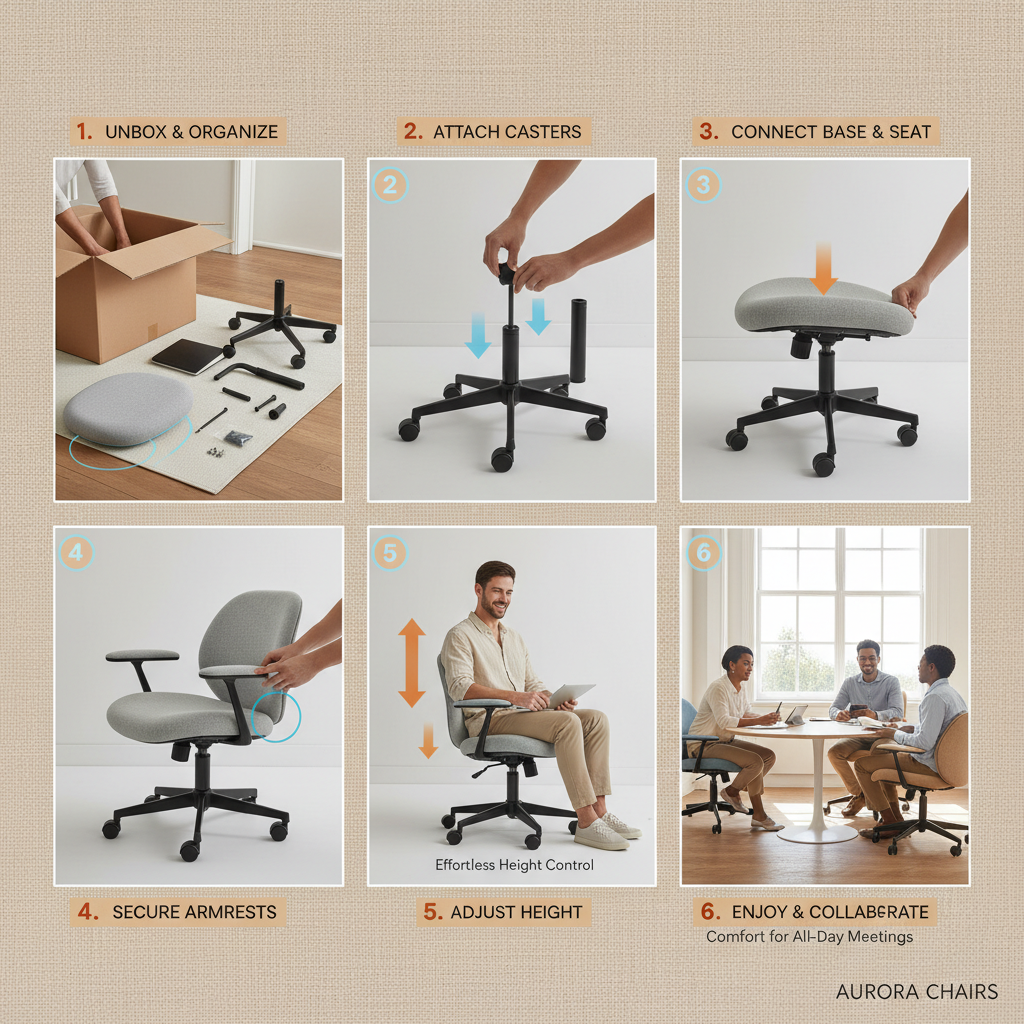
Honestly, it varies. Some are pretty straightforward, others are a complete nightmare. I've spent hours wrestling with poorly designed chairs, trying to get the armrests to line up. It's frustrating. Look for chairs with clear instructions and minimal parts. And don’t be afraid to ask for help. My tip? Keep the Allen wrench handy!
It depends on the material. Leather needs regular conditioning to keep it supple. Fabric can usually be spot cleaned with a mild detergent. But always test the cleaner in an inconspicuous area first. And vacuum regularly to get rid of dust and crumbs. You’d be surprised how much gunk accumulates in those crevices.
That’s a good question. If you spend a lot of time sitting down, then absolutely. A good chair is an investment in your health and well-being. But don’t just go for the biggest, most expensive chair you can find. Do your research, read reviews, and try before you buy. Otherwise, you might end up with a chair that looks impressive but feels terrible.
A well-built oversized office chair should last at least 5-7 years, if not longer. But it depends on how much use it gets and how well it’s maintained. Regular cleaning and occasional tightening of screws can make a big difference. I’ve seen some chairs that are still going strong after 10 years, but they’re the exception, not the rule.
Conclusion
So, there you have it. Oversized office chairs… they're not just about size, they’re about comfort, support, durability, and getting the details right. From the frame and foam to the upholstery and adjustments, everything matters. It’s a complicated business, and there’s a lot of room for error.
Ultimately, whether this thing works or not, the worker will know the moment he tightens the screw. Don’t overthink it. Find a chair that feels good, that’s built to last, and that meets your specific needs. And if you're not sure, ask someone who knows. We're at laining-global.com. That's all I got.


 English
  Arabic
  Belarusian
  Danish
  Dutch
Dutch  Finnish
  French
  German
  Greek
Greek  Icelandic
  Italian
  Japanese
  Korean
  Latin
Latin  Polish
  Portuguese
  Russian
  Spanish
  Swedish
  Thai
Thai