The importance of a well-designed home office chair ergonomic setup cannot be overstated in today’s increasingly remote work environment. Prolonged sitting, often in poorly designed chairs, leads to musculoskeletal disorders, reduced productivity, and diminished employee well-being. Understanding the principles of home office chair ergonomic is crucial for creating a healthy and efficient workspace. The global shift towards remote and hybrid work models has amplified this need, impacting individuals and organizations worldwide.
Globally, the rise in remote work, accelerated by events like the COVID-19 pandemic, has created a surge in demand for effective home office solutions. Data from the International Labour Organization (ILO) indicates a significant increase in remote work arrangements across numerous sectors. This presents both opportunities and challenges, with a key challenge being the need to replicate the ergonomic benefits of a traditional office setting at home. Implementing proper home office chair ergonomic practices is essential to mitigate these risks.
Investing in home office chair ergonomic is not merely a comfort issue; it’s a strategic investment in human capital. Beyond individual health benefits, companies recognize that ergonomic workspaces contribute to reduced absenteeism, increased employee engagement, and improved overall performance. A supportive and adjustable chair is the foundation of a productive and pain-free remote work experience.
Introduction to home office chair ergonomic
The term 'home office chair ergonomic' encompasses the science of designing and arranging workspaces to optimize worker well-being and productivity. It's a multidisciplinary field incorporating principles from biomechanics, physiology, and psychology. Poor ergonomics in the home office can lead to a range of health problems, from minor discomfort to chronic pain and debilitating injuries. Home office chair ergonomic is therefore not just about comfort but about preventative healthcare.
The increasing prevalence of remote work necessitates a focused effort on creating ergonomic home office environments. Organizations have a responsibility to provide guidance and resources to their remote employees, ensuring they have the tools and knowledge to set up healthy workstations. This investment translates to a healthier, more engaged, and more productive workforce.
Defining home office chair ergonomic
At its core, home office chair ergonomic is the practice of designing a workstation to fit the worker, rather than forcing the worker to fit the workstation. This involves adjusting the chair, desk, monitor, and other equipment to support the body’s natural posture and movements. The goal is to minimize strain on muscles, joints, and tendons, reducing the risk of musculoskeletal disorders.
It's not simply about buying an expensive chair; it's about understanding how to properly adjust it and integrate it into a comprehensive workspace setup. Key elements include adjustable height, lumbar support, armrests, and a stable base. Regular breaks and movement are also integral components of an ergonomic approach.
The connection to modern industry and humanitarian needs is significant. In industries requiring prolonged sedentary work, ergonomic practices are essential for maintaining worker health and productivity. In humanitarian contexts, providing ergonomic solutions, even in temporary settings, can improve the well-being of aid workers and affected populations.
Key Components of home office chair ergonomic
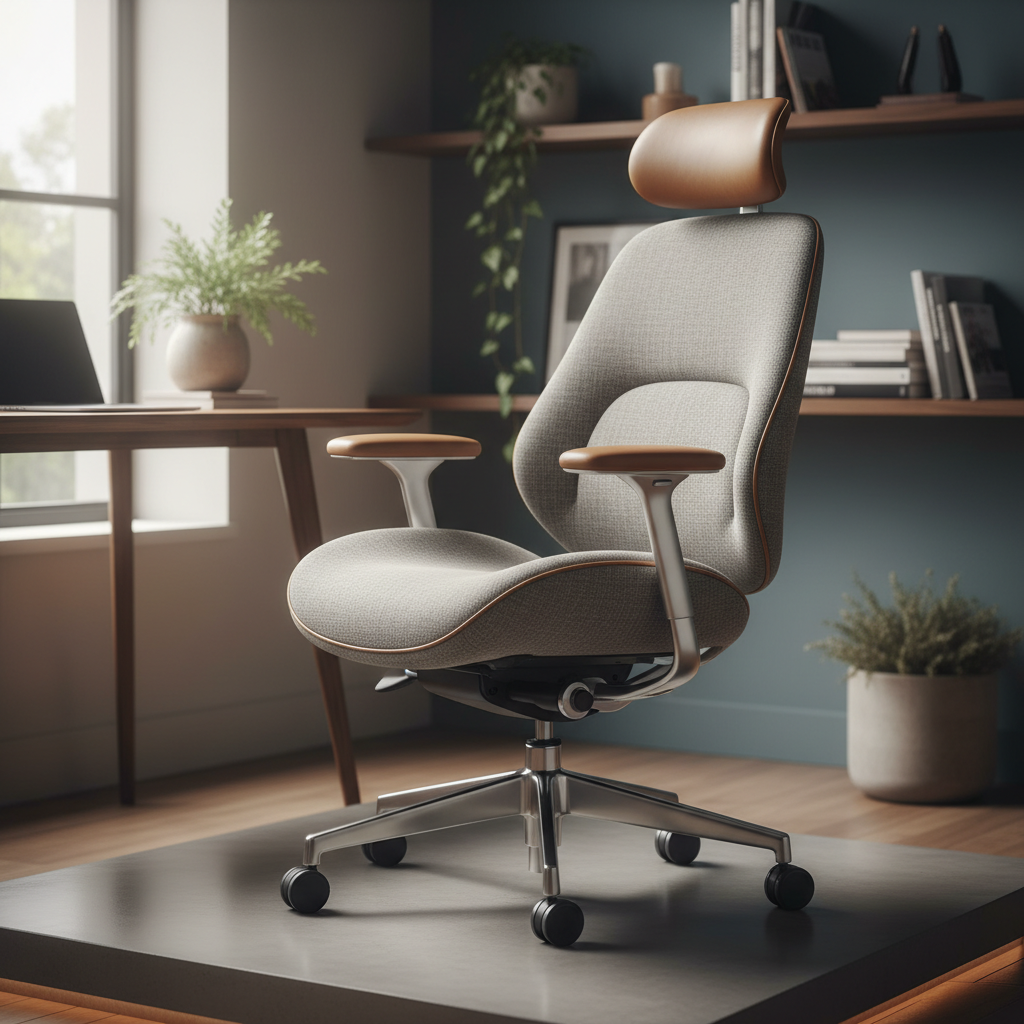
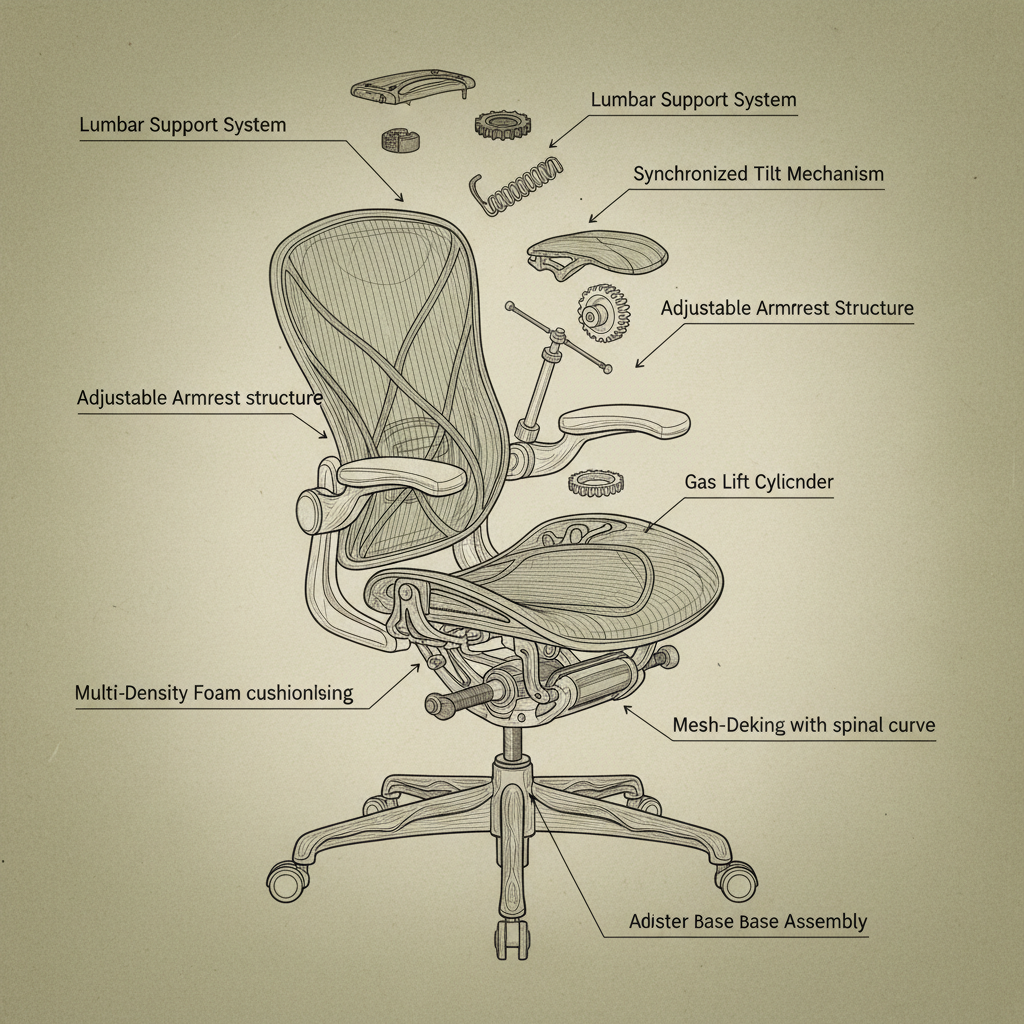
Several key factors contribute to effective home office chair ergonomic. Adjustability is paramount, allowing users to customize the chair to their individual body dimensions and preferences. This includes height, backrest angle, lumbar support, and armrest position. A chair that doesn’t offer sufficient adjustability can quickly become uncomfortable and even harmful.
Lumbar Support is crucial for maintaining the natural curve of the spine and preventing lower back pain. An adjustable lumbar support allows users to tailor the support to their specific needs. Seat Depth also plays a role, ensuring the user can sit with their back against the backrest while maintaining a few inches of space between the back of their knees and the seat edge.
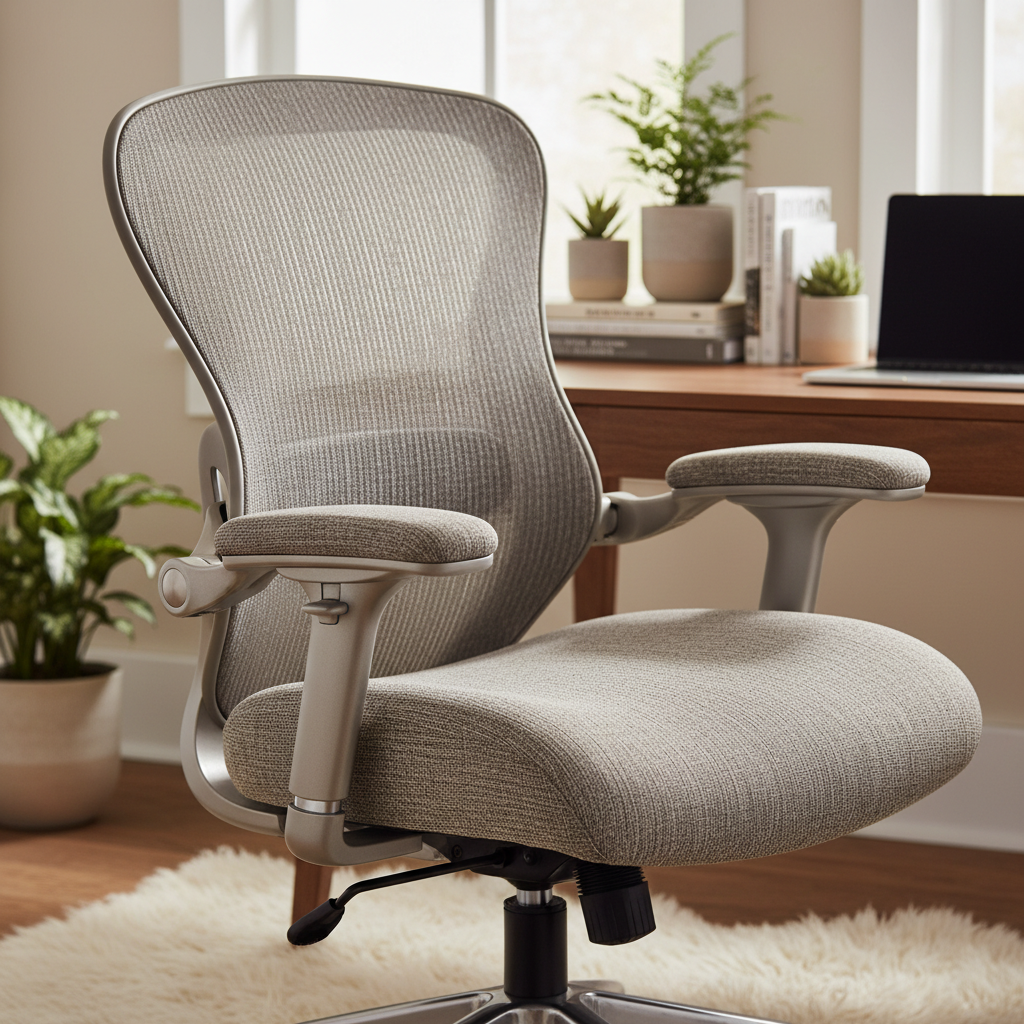
Armrests should be adjustable in height, width, and angle to support the forearms and reduce strain on the shoulders and neck. Base Stability is often overlooked, but a sturdy five-star base is essential for preventing tipping and ensuring safe movement. Breathable Fabric is also important for comfort, especially during long work hours.
Global Applications of home office chair ergonomic
The principles of home office chair ergonomic are applied globally across a wide range of industries and contexts. In North America and Europe, large corporations are increasingly investing in ergonomic assessments and equipment for their remote employees. These assessments often involve a professional evaluation of the employee's workspace and recommendations for improvements.
In emerging economies, the focus is often on providing basic ergonomic education and affordable solutions. In some regions, government programs are promoting ergonomic awareness among small businesses and self-employed workers. The application of ergonomic principles is also evident in call centers and data entry facilities worldwide, where employees spend long hours sitting.
Evaluation of home office chair ergonomic Methods
Advantages and Long-Term Value of home office chair ergonomic
The benefits of prioritizing home office chair ergonomic are multifaceted. Tangible advantages include reduced healthcare costs associated with musculoskeletal disorders, decreased absenteeism due to pain and injury, and increased productivity as employees are more comfortable and focused. A comfortable work environment fosters a more positive and engaged workforce.
Long-term value extends beyond financial considerations. Investing in ergonomic solutions demonstrates a commitment to employee well-being, fostering a culture of care and trust. This can enhance employee loyalty, attract top talent, and improve the organization's overall reputation. The psychological impact of a comfortable and supportive workspace should not be underestimated.
Future Trends in home office chair ergonomic
Several emerging trends are shaping the future of home office chair ergonomic. The integration of smart technology, such as sensors that monitor posture and provide real-time feedback, is gaining traction. AI-powered ergonomic assessments are also becoming increasingly sophisticated, offering personalized recommendations.
Sustainable materials and manufacturing processes are also becoming more prevalent, reflecting a growing awareness of environmental concerns. We can also expect to see a greater emphasis on dynamic seating solutions that encourage movement and reduce the negative effects of prolonged sitting.
Challenges and Solutions in home office chair ergonomic
Despite the growing awareness of its importance, implementing effective home office chair ergonomic can present challenges. One common hurdle is the cost of ergonomic equipment, which can be prohibitive for some individuals and organizations. Another challenge is the lack of awareness and training, particularly among remote workers.
Solutions include offering financial assistance programs, providing ergonomic training resources, and promoting the use of affordable, adjustable furniture. Virtual ergonomic assessments can also help overcome geographical barriers and provide personalized guidance. The key is to make ergonomic solutions accessible and sustainable.
Addressing the "one-size-fits-all" mentality is critical. Ergonomic needs vary based on individual body dimensions, work tasks, and environmental factors. Personalized assessments and adjustable equipment are essential for maximizing effectiveness.
Summary of Challenges and Solutions in home office chair ergonomic
| Challenge |
Impact on Ergonomics |
Potential Solutions |
Implementation Cost (1-10) |
| High Equipment Costs |
Limits access to proper ergonomic tools. |
Subsidized programs, used equipment options. |
6 |
| Lack of Awareness |
Employees may not understand ergonomic principles. |
Training programs, educational resources. |
4 |
| Workspace Constraints |
Limited space restricts ergonomic setup. |
Multi-functional furniture, space-saving designs. |
5 |
| Individual Body Variation |
Standard solutions may not fit all users. |
Adjustable equipment, personalized assessments. |
7 |
| Remote Work Challenges |
Difficulty providing on-site ergonomic support. |
Virtual assessments, remote guidance. |
5 |
| Lack of Routine Breaks |
Prolonged sitting leads to fatigue and strain. |
Automated reminders, ergonomic software. |
3 |
FAQS
Adjustability is arguably the most important feature. A chair that allows you to customize the height, lumbar support, armrests, and backrest angle to fit your body’s unique dimensions is crucial for maintaining proper posture and preventing discomfort. Without sufficient adjustability, even an expensive chair can lead to strain and pain.
The Pomodoro Technique recommends short breaks every 25 minutes, followed by longer breaks every four cycles. However, a good rule of thumb is to stand up, stretch, and move around at least once every hour. Regular breaks help prevent fatigue, improve circulation, and reduce the risk of musculoskeletal disorders. Short walks or simple stretches can make a significant difference.
The top of your monitor should be at or slightly below eye level. This encourages a neutral neck posture, reducing strain on the neck and shoulders. Ensure the monitor is an arm’s length away from your eyes. Adjust the monitor height and angle to minimize glare and reflections.
Maintain a neutral spine with your shoulders relaxed and your feet flat on the floor or on a footrest. Engage your core muscles to support your back. Adjust your chair’s lumbar support to fit the natural curve of your lower back. Avoid slouching and hunching over. Consider using a posture corrector if you struggle with maintaining good posture.
Standing desks can be a beneficial addition to a home office, but they shouldn’t replace sitting entirely. Alternating between sitting and standing throughout the day can reduce fatigue and improve circulation. It’s important to use a proper anti-fatigue mat and maintain good posture while standing. Start slowly and gradually increase the amount of time you spend standing.
Lumbar support is critical for maintaining the natural curve of your spine and preventing lower back pain. Proper lumbar support helps reduce stress on the discs and ligaments in your lower back. Look for a chair with adjustable lumbar support that allows you to customize the level of support to fit your individual needs. A well-adjusted lumbar support can significantly improve your comfort and reduce the risk of back problems.
Conclusion
In conclusion, prioritizing home office chair ergonomic is essential for the health, productivity, and well-being of remote workers. By understanding the key components of ergonomic design, applying practical solutions, and staying abreast of emerging trends, individuals and organizations can create workspaces that support optimal performance and prevent musculoskeletal disorders. This investment yields significant long-term benefits, extending beyond cost savings to include improved employee morale and a strengthened company culture.
Looking ahead, continued innovation in ergonomic technology, coupled with increased awareness and education, will drive further improvements in home office setups. Embracing a proactive approach to ergonomics is not merely a trend, but a fundamental shift towards a more sustainable and human-centered work environment. Visit our website at www.laining-global.com to explore our range of ergonomic chair solutions and resources.


 English
  Arabic
  Belarusian
  Danish
  Dutch
Dutch  Finnish
  French
  German
  Greek
Greek  Icelandic
  Italian
  Japanese
  Korean
  Latin
Latin  Polish
  Portuguese
  Russian
  Spanish
  Swedish
  Thai
Thai