The modern workplace demands not just productivity, but also a commitment to employee well-being. Central to this is the provision of supportive and ergonomically designed furniture, and the executive high back manager ergonomic office chair stands as a prime example of this evolving standard. These chairs are engineered to promote good posture, reduce strain, and enhance comfort during long working hours, ultimately boosting performance and reducing health risks.
Globally, businesses are increasingly recognizing the value of investing in their employees' physical health and comfort. This isn’t simply a matter of goodwill; studies consistently demonstrate a direct correlation between ergonomic workspaces and increased efficiency, reduced absenteeism, and improved employee morale. The executive high back manager ergonomic office chair is therefore becoming a standard expectation in professional environments worldwide.
The demand for these chairs is fueled by rising awareness of musculoskeletal disorders (MSDs) associated with prolonged sedentary work. The World Health Organization estimates that MSDs are a leading cause of disability, impacting both individual quality of life and national economies. A quality executive high back manager ergonomic office chair addresses these concerns proactively, offering a solution that benefits both employees and employers.
The Significance of Executive High Back Manager Ergonomic Office Chairs
In today's competitive business environment, prioritizing employee well-being is no longer a luxury, but a strategic imperative. The executive high back manager ergonomic office chair plays a crucial role in fostering a healthy and productive workforce. Its design directly addresses the physical demands of prolonged sitting, reducing the risk of chronic pain and musculoskeletal disorders.
Investing in ergonomic seating demonstrates a commitment to employee health, which in turn translates to increased morale, reduced absenteeism, and enhanced productivity. A comfortable and supportive chair allows employees to focus on their tasks without being distracted by physical discomfort, leading to higher quality work and improved overall performance.
Defining the Executive High Back Manager Ergonomic Office Chair
An executive high back manager ergonomic office chair is specifically designed to provide optimal support and comfort for individuals who spend extended periods seated, particularly those in managerial or executive roles. It goes beyond a standard office chair by incorporating adjustable features tailored to individual body types and work habits.
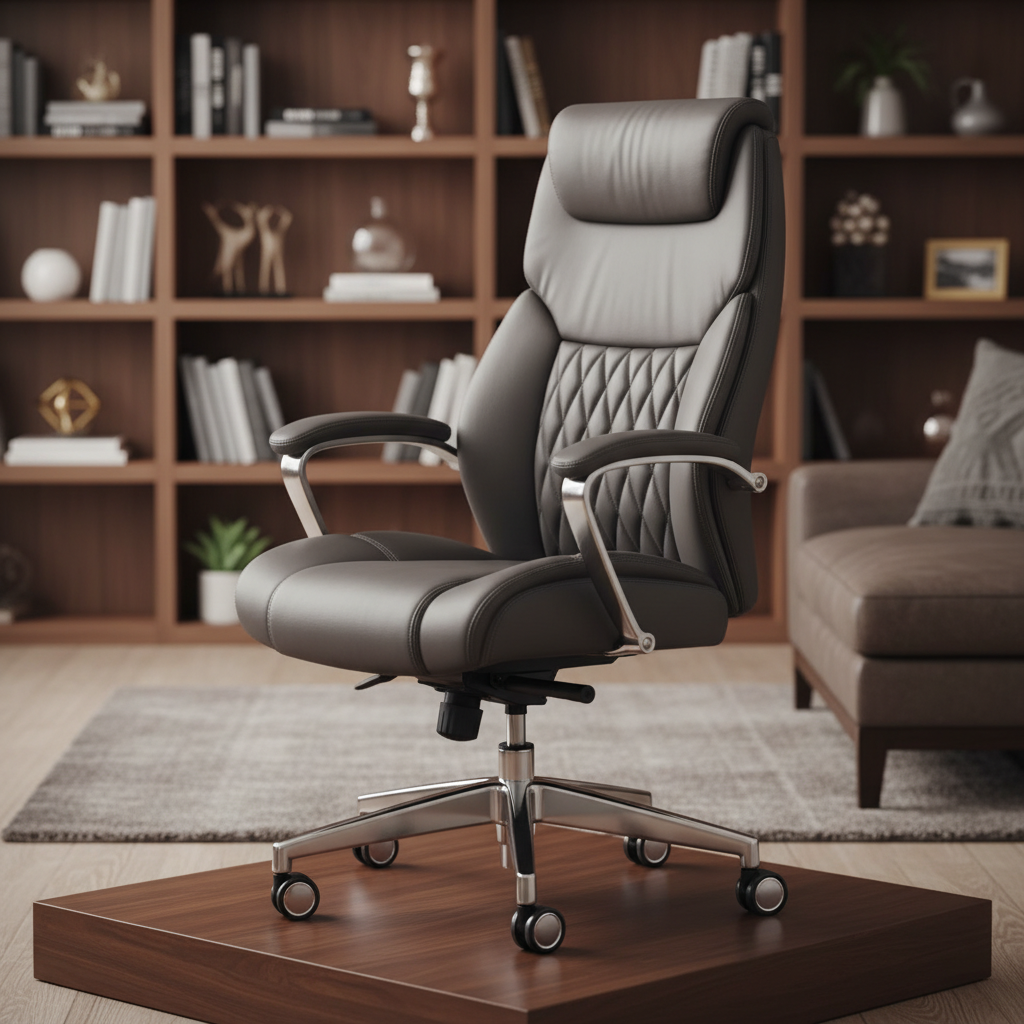
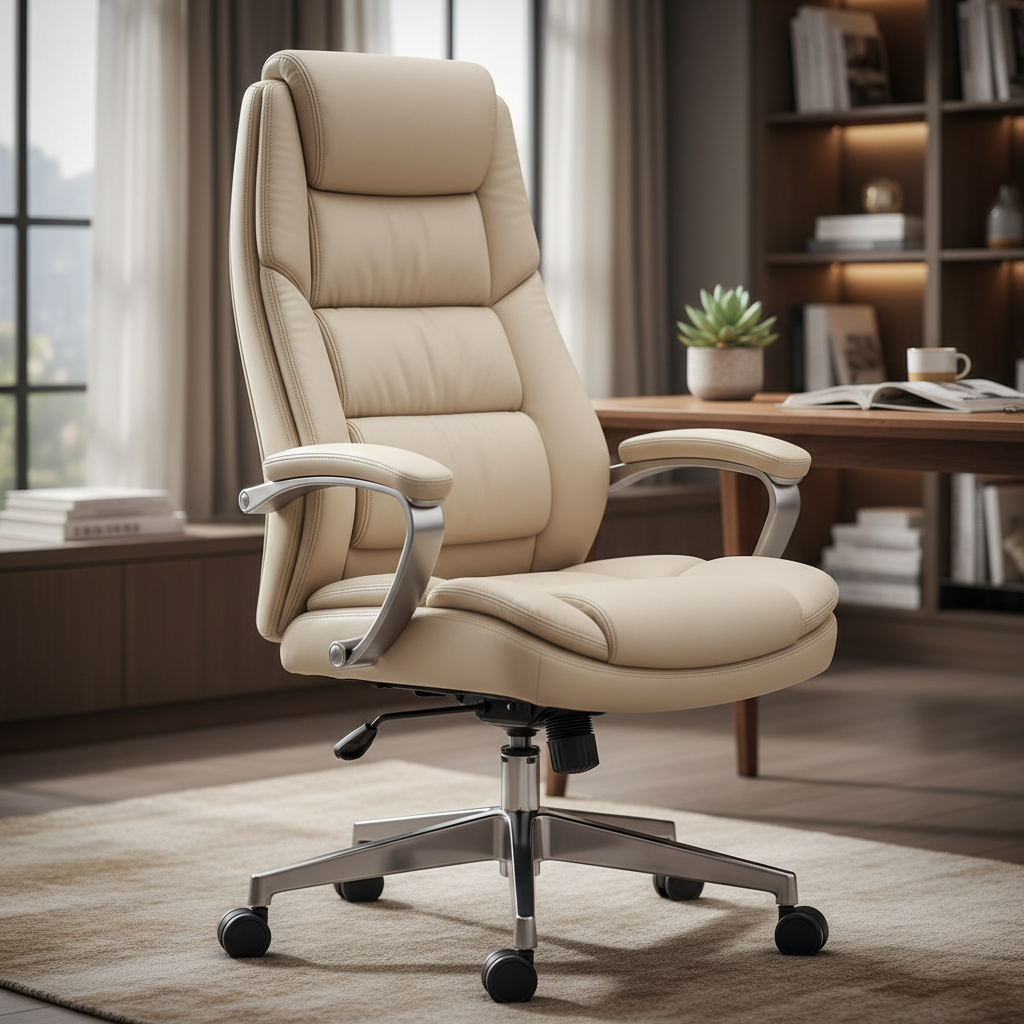
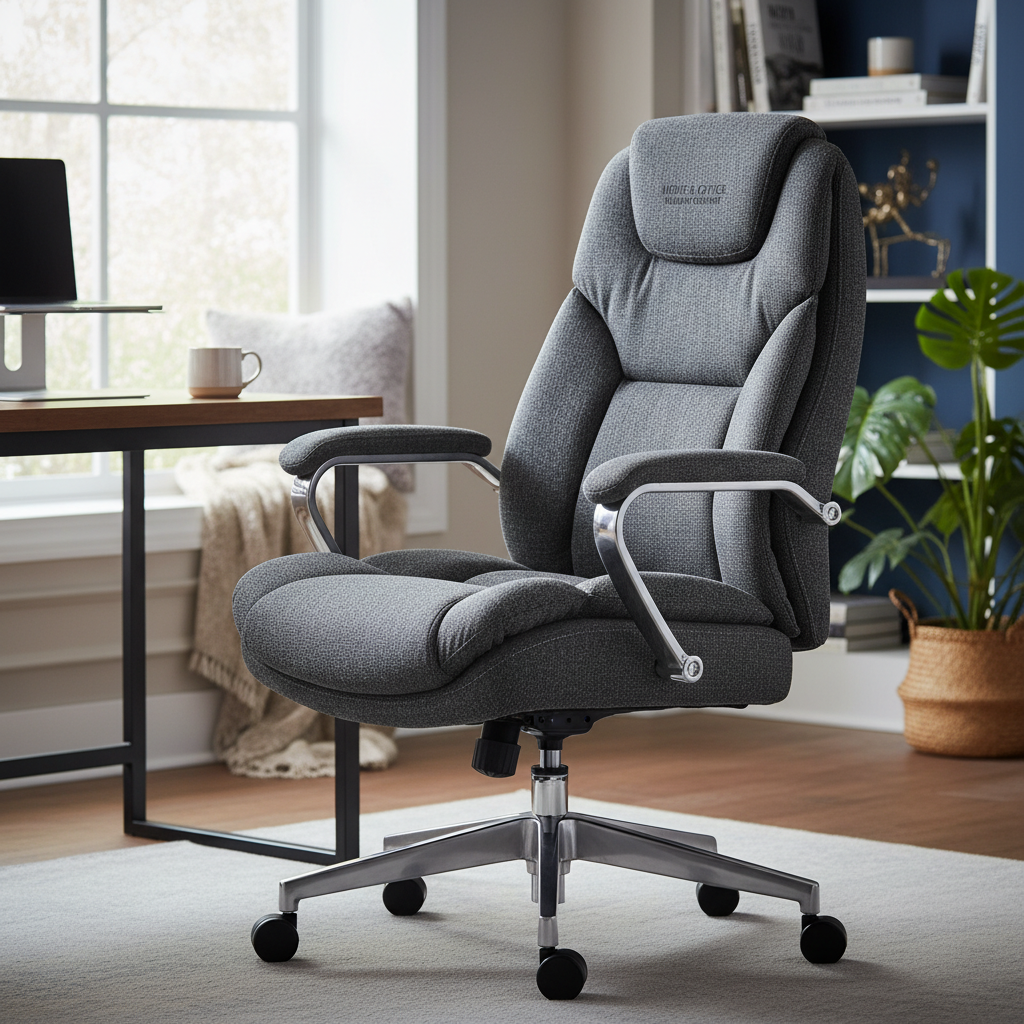
Key characteristics include a high backrest that supports the entire spine, adjustable lumbar support to maintain natural spinal curvature, and customizable armrests, seat height, and tilt mechanisms. The focus is on promoting good posture, reducing pressure points, and minimizing strain on the body.
This type of chair is intrinsically linked to the broader field of ergonomics, the science of designing workplaces and products to fit the people who use them. By applying ergonomic principles, the executive high back manager ergonomic office chair aims to optimize human well-being and overall system performance.
Core Components and Key Features
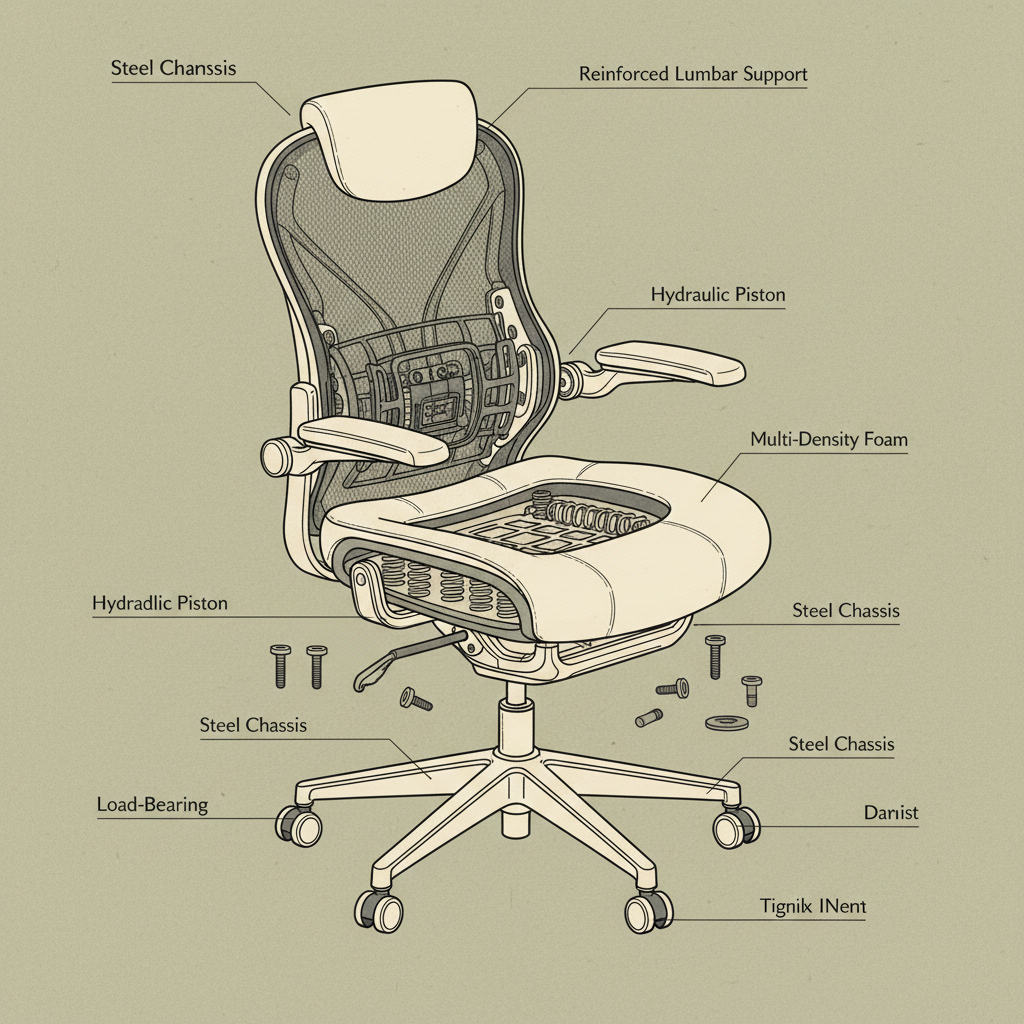
The functionality of an executive high back manager ergonomic office chair hinges on several core components. These include the adjustable lumbar support, critical for maintaining the natural S-curve of the spine and preventing lower back pain. A well-designed lumbar support allows for both height and depth adjustment to cater to individual needs.
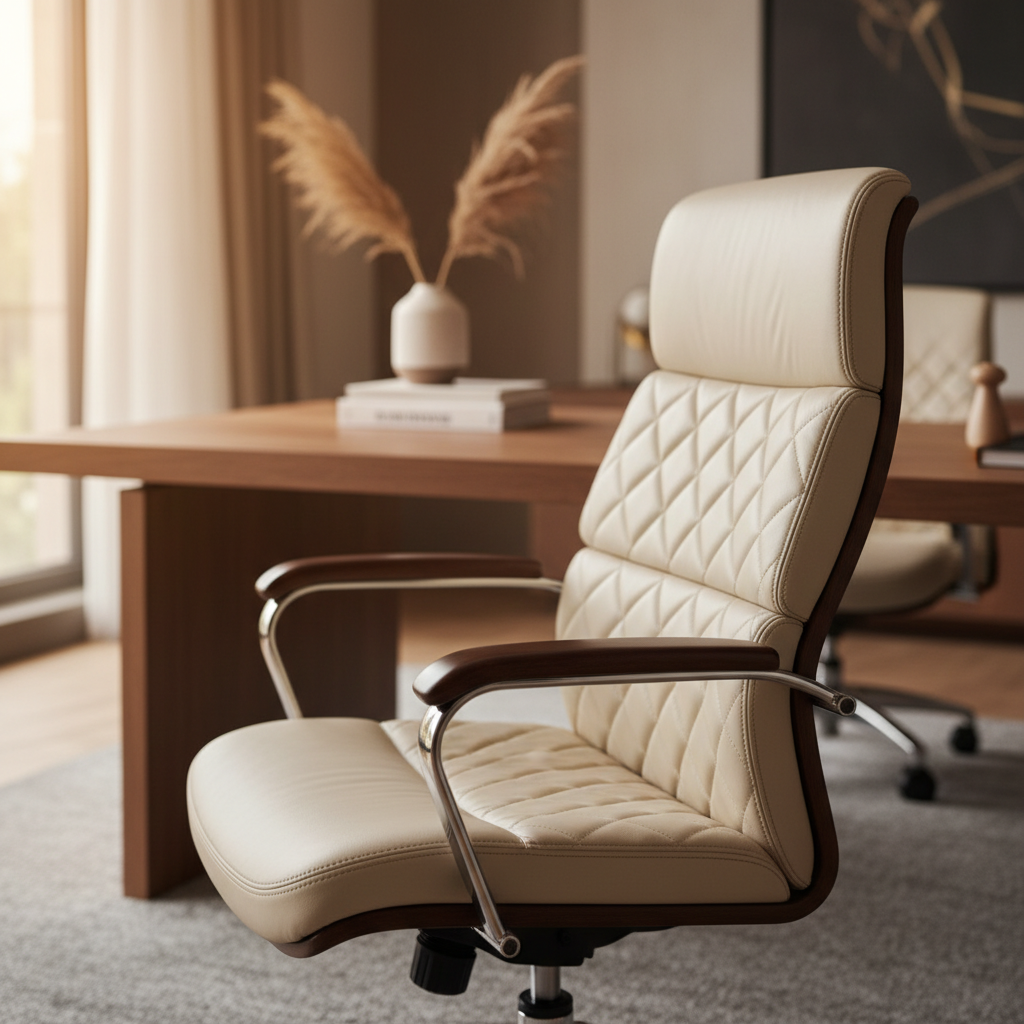
Another crucial feature is the adjustable headrest, providing support for the neck and shoulders, particularly during periods of relaxation or focused concentration. Furthermore, adjustable armrests, with height, width, and pivot capabilities, allow users to maintain proper posture and reduce strain on the shoulders and wrists. High-quality materials and robust construction are also fundamental, ensuring durability and long-term support.
Finally, the seat itself is paramount. Features like adjustable seat depth, tilt tension control, and a contoured cushion contribute significantly to comfort and pressure distribution. Breathable fabric and appropriate padding materials enhance airflow and prevent overheating during prolonged use.
Practical Applications Across Industries
The benefits of an executive high back manager ergonomic office chair extend across a wide range of industries. In the corporate sector, these chairs are essential for executives, managers, and administrative staff who spend significant time at their desks.
In healthcare, professionals such as doctors, nurses, and administrative personnel benefit from the support and comfort provided by ergonomic seating, reducing fatigue and improving focus during long shifts. Similarly, in the financial services industry, traders, analysts, and customer service representatives rely on comfortable seating to maintain concentration and productivity.
Executive High Back Manager Ergonomic Office Chair Feature Importance
Advantages and Long-Term Value Proposition
The advantages of investing in an executive high back manager ergonomic office chair extend far beyond immediate comfort. A primary benefit is the reduction of musculoskeletal disorders (MSDs), leading to fewer sick days and decreased healthcare costs for both employees and employers.
From a sustainability perspective, a durable, high-quality chair represents a long-term investment, reducing the need for frequent replacements and minimizing waste. The improved employee well-being fostered by ergonomic seating also contributes to increased job satisfaction and retention rates.
Future Trends in Executive Office Chair Design
The future of executive high back manager ergonomic office chair design is focused on integrating smart technology and sustainable materials. We're seeing the development of chairs with built-in sensors that monitor posture and provide real-time feedback to encourage healthy sitting habits.
Another emerging trend is the use of advanced materials, such as recycled plastics and bio-based foams, to reduce the environmental impact of chair manufacturing. Furthermore, customizable chairs that adapt to individual body shapes and preferences are gaining popularity, offering a truly personalized ergonomic experience.
Expect to see greater integration with digital workspaces, with chairs potentially offering features like integrated charging ports and wireless connectivity. The goal is to create a seamless and supportive work environment that promotes both physical well-being and productivity.
Challenges and Innovative Solutions
One of the main challenges associated with executive high back manager ergonomic office chair is ensuring proper fitting and adjustment for all users. A chair that isn’t correctly adjusted can actually exacerbate discomfort rather than alleviate it.
Innovative solutions include providing comprehensive training on chair adjustment techniques and offering chairs with intuitive and easy-to-use controls. Another challenge is the cost, as high-quality ergonomic chairs can be a significant investment. However, this cost can be offset by the long-term benefits of reduced healthcare costs and increased productivity.
Finally, ensuring durability and longevity is crucial. Manufacturers are addressing this by using high-quality materials, rigorous testing procedures, and offering extended warranties. The focus is on creating chairs that are built to last and provide long-term value.
Summarizing Key Considerations for Executive High Back Manager Ergonomic Office Chair Selection
| Adjustment Capabilities |
Material Quality & Durability |
User Comfort & Support |
Long-Term Cost-Effectiveness |
| Comprehensive adjustments for lumbar, headrest, and armrests. |
Use of high-grade fabrics, robust frame construction. |
Contoured seat, breathable materials, optimal spinal support. |
Reduced healthcare costs, increased productivity, extended lifespan. |
| Easy-to-use adjustment mechanisms for intuitive operation. |
Resistance to wear and tear, minimal maintenance requirements. |
Pressure distribution, reduced strain, improved posture. |
Lower total cost of ownership compared to frequent replacements. |
| Personalized settings for diverse body types and preferences. |
Sustainable materials, environmentally friendly manufacturing. |
Enhanced focus, reduced fatigue, improved well-being. |
Higher employee morale, reduced absenteeism. |
| Adjustable seat depth and tilt tension for customized comfort. |
Solid base and smooth-rolling casters for stability and mobility. |
Optimal support for long working hours. |
Long-term investment in employee health and productivity. |
| Precise adjustments to cater to individual ergonomic needs. |
Warranty protection for peace of mind. |
Promotes a healthy and productive work environment. |
Potential for increased innovation and creativity. |
| Easy reconfigurability for changing workspace demands. |
Minimized environmental impact through durable design. |
Reduced risk of musculoskeletal disorders. |
Enhanced company reputation as an employer of choice. |
FAQS
An executive ergonomic chair prioritizes adjustable support for the entire spine, including the head and neck, unlike standard chairs which often lack these features. Executive chairs utilize more durable materials, offer a wider range of customization options – like adjustable lumbar support, armrests, and seat depth – and are designed for extended comfort during long working hours, promoting better posture and reducing the risk of musculoskeletal issues.
Ideally, you should make small adjustments to your chair throughout the day as needed. A good starting point is to adjust the chair immediately after you sit down, ensuring your feet are flat on the floor, your knees are at a 90-degree angle, and your back is fully supported by the lumbar support. Then, make further adjustments throughout the day to maintain optimal comfort and posture, especially if you change tasks or positions.
High-quality executive ergonomic chairs commonly use materials like high-density foam for cushioning, breathable mesh or leather for upholstery, and durable steel or aluminum for the frame. Some chairs also incorporate adjustable lumbar supports with innovative materials for superior support and flexibility. The best chairs prioritize both comfort and durability, ensuring a long-lasting investment.
Absolutely. While the upfront cost is higher, executive ergonomic chairs offer significantly better long-term value. They reduce the risk of musculoskeletal disorders, leading to fewer sick days and healthcare expenses. Improved comfort and support boost productivity and morale, and the durable construction ensures a longer lifespan. Cheaper chairs often lack the necessary support and adjustability, potentially causing discomfort and long-term health problems.
Prioritize chairs with a wide range of adjustability options – including seat height, seat depth, lumbar support, armrest height and width, and headrest height. Whenever possible, try out the chair in person to assess its comfort and support. Consider your height and weight when choosing a chair, and look for models specifically designed for your body type. Reading reviews from users with similar body types can also be helpful.
A well-maintained executive ergonomic chair, constructed with high-quality materials, can typically last for 5-10 years or even longer. Regular cleaning, occasional tightening of screws, and prompt attention to any minor repairs can significantly extend its lifespan. Choosing a chair with a comprehensive warranty from a reputable manufacturer provides added assurance of its durability and quality.
Conclusion
In conclusion, the executive high back manager ergonomic office chair is far more than just a seating solution; it’s an investment in employee well-being, productivity, and long-term organizational health. By prioritizing ergonomic design and customizable features, these chairs mitigate the risks associated with prolonged sitting, fostering a more comfortable and efficient work environment. The benefits extend beyond individual employees to positively impact company morale, reduce healthcare costs, and enhance overall performance.
Looking ahead, the integration of smart technologies and sustainable materials will continue to drive innovation in executive office chair design. We encourage businesses to prioritize ergonomic seating as a key component of a holistic workplace wellness strategy. Visit our website at www.laining-global.com to explore our range of high-quality ergonomic chairs and discover how we can help you create a healthier and more productive workspace.


 English
  Arabic
  Belarusian
  Danish
  Dutch
Dutch  Finnish
  French
  German
  Greek
Greek  Icelandic
  Italian
  Japanese
  Korean
  Latin
Latin  Polish
  Portuguese
  Russian
  Spanish
  Swedish
  Thai
Thai