You know, I’ve been running around construction sites all year, getting my hands dirty with materials, talking to engineers… honestly, the industry's buzzing about prefabrication. Everything's going modular these days. It’s faster, supposedly cleaner, but… well, it's not always as straightforward as they make it sound.
What’s been bugging me lately is how everyone jumps on the "lightweight" bandwagon. “Oh, gotta reduce shipping costs!” Sure, but then you end up with something that feels… flimsy. Have you noticed? It’s a constant trade-off. We’re always trying to find that sweet spot between durability and portability.
And the details! Product design is full of traps. People get hung up on aesthetics and forget about practicality. I saw this at a factory in Ningbo last time – they designed a beautiful housing for a control panel, all curved edges and whatnot, but it turned out to be a nightmare to actually mount. Screws wouldn’t catch, it wobbled… a complete mess.
The Rising Trend of Office Chair Ergonomic
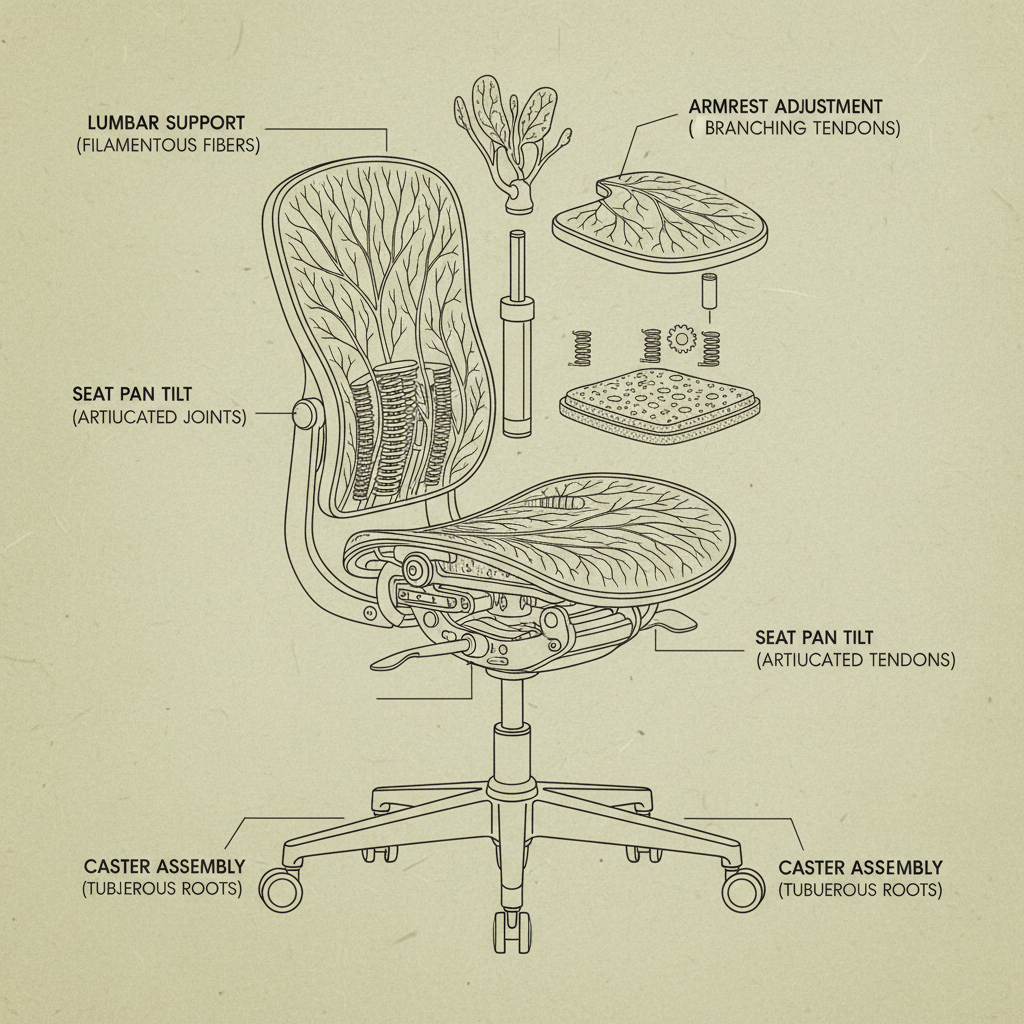
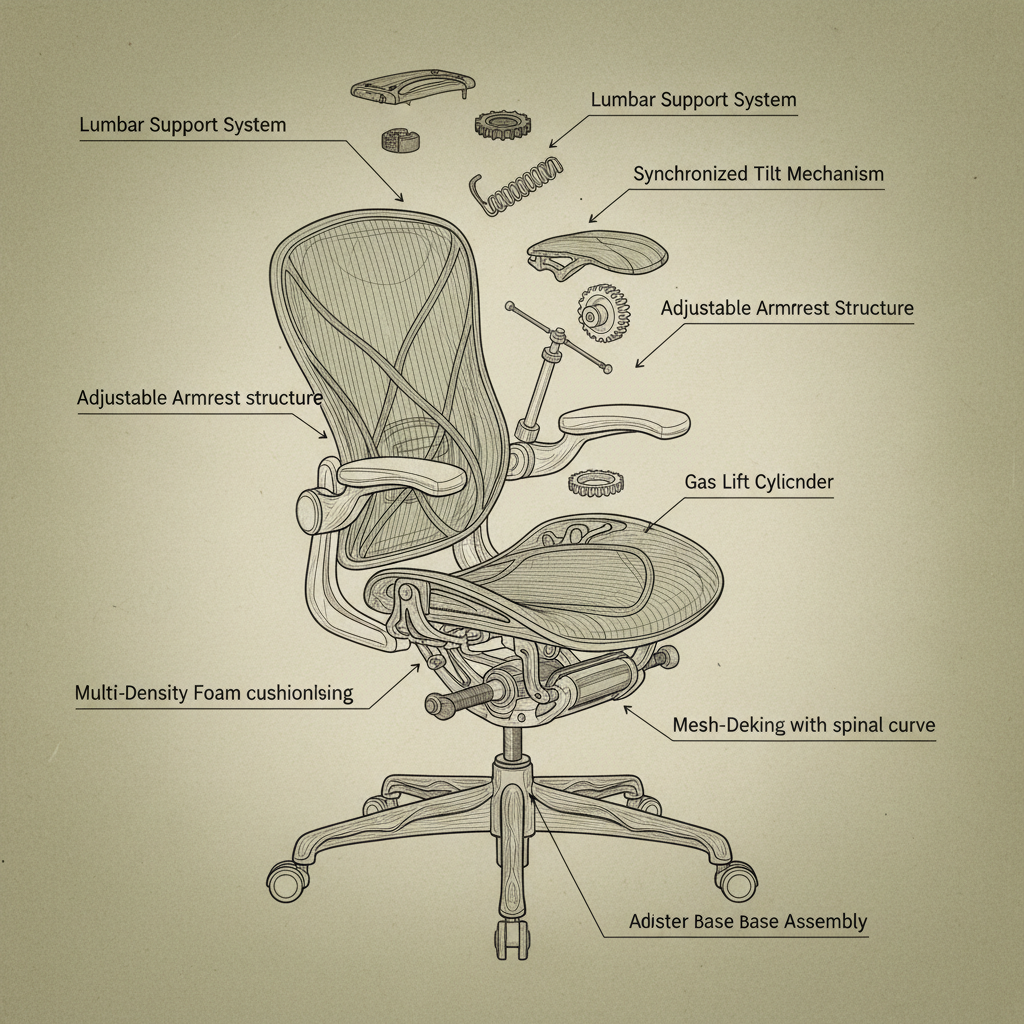
Honestly, the demand for better office chair ergonomic is just going through the roof. It’s no longer just about “looking good” in the office; people are actually starting to care about their backs and necks. I’ve seen a huge uptick in requests for adjustable lumbar support, breathable mesh fabrics, and all sorts of fancy features.
It’s driven by a few things, I think. Remote work, for one. Folks are setting up home offices and realizing their dining room chairs just aren’t cutting it after 8 hours. And there's more awareness around long-term health. People are realizing sitting all day isn't great, so they want to mitigate the damage, and a good chair is a start.
Common Design Pitfalls in Office Chair Ergonomic
Strangely enough, a lot of designers get stuck on the visuals and forget the fundamentals. I’ve seen chairs with incredibly sleek armrests that are completely unusable because they’re too narrow or positioned wrong. Or lumbar support that doesn't actually support the lumbar region, it just pushes you forward.
Another thing is over-engineering. They pack in a million adjustment options, and it becomes so complicated that nobody knows how to use it properly. Simple is often better. A chair needs to be intuitive. If you need a manual to adjust your seat height, something’s gone wrong.
The biggest mistake? Not considering different body types. A chair that works for a 6-foot-tall guy isn’t going to work for a 5-foot-tall woman. Adjustability is key, but it has to be meaningful adjustability.
Materials Matter: A Hands-On Perspective
Now, let's talk materials. The mesh is a big one. Some of that cheap mesh feels like sandpaper, right? You need a good, breathable mesh that doesn’t feel scratchy. I’ve encountered stuff that literally smelled like chemicals for weeks after unpacking. Not good.
The frame... that’s where you want to spend your money. Steel is good, but you need the right gauge. Too thin, and it'll wobble. Aluminum is lighter, but it's more expensive and can dent easier. I was at a supplier in Guangzhou last year and they showed me some frames made from recycled plastics. It felt surprisingly solid, but I still have my doubts about its long-term durability.
And the foam! Don't underestimate the foam. Too soft, and you're sitting on nothing. Too firm, and you might as well be sitting on a board. It's a Goldilocks situation. I prefer a high-density molded foam – it holds its shape and provides good support without being rock hard.
Real-World Testing & Application of Office Chair Ergonomic
Forget the lab tests. I want to see these chairs in action. We put them through the paces at a call center we’re working with, just letting people use them for a full workday. That’s where you see the real problems. People will adjust it, readjust it, complain about it, and eventually break it if it’s not up to par.
We also run a simple “weight test.” We have a couple of guys who are… generously built… just sit on the chair repeatedly and see if it holds up. Sounds crude, but it’s effective. Anyway, I think it's a great way to see if everything is stable.
Office Chair Ergonomic Feature Ratings
Advantages, Disadvantages and Customization Options
The biggest advantage, obviously, is improved comfort and health. A good chair can prevent back pain, improve posture, and boost productivity. But let’s be real, good chairs are expensive. That's a major downside. And a chair that’s too adjustable can be a distraction.
But you can customize a lot of things. Last month, that small boss in Shenzhen who makes smart home devices insisted on changing the interface to on all the chairs we supplied him. He said it matched his brand aesthetic. It was… a strange request. I tried to explain that people don’t really look at the USB ports on their chairs, but he was adamant. We did it, though. That's the beauty of customization.
A Customer Story: The Shenzhen Smart Home Boss
So, this guy, Mr. Chen, runs a small smart home gadget factory. Real stickler for details, this one. Last month, he ordered a batch of our ergonomic chairs for his new office. Everything was going smoothly until he decided the standard USB charging port on the chair was “too clunky.”
He wanted it swapped out for a sleek, minimalist port, to match the charging ports on all his products. I told him it was unnecessary, that people wouldn’t even notice. But he was convinced it would elevate the "brand experience." We ended up having to source a special adapter and retool part of the manufacturing process. It added a week to the delivery time and cost him extra, but he was thrilled. He said it was “perfect.”
Later… forget it, I won’t mention how he then complained that the port didn't charge his old iPhone.
Key Performance Indicators of Office Chair Ergonomic
Honestly, measuring "ergonomic performance" is tricky. It’s not like you can put a chair on a treadmill. But we track a few things. Return rates are a big one. If people are sending chairs back because they're uncomfortable, that's a bad sign.
We also collect feedback through surveys and interviews. We ask people about their back pain levels before and after using the chair, their overall comfort, and any issues they’ve encountered. We’re not statisticians, but it gives us a rough idea of what’s working and what isn’t.
And, of course, we look at the number of warranty claims. A chair that falls apart after a few months is a failure, no matter how fancy it looks.
Core Performance Metrics of Office Chair Ergonomic
| Metric Category |
Measurement Method |
Target Range |
Importance Weighting |
| Return Rate |
Percentage of chairs returned within 30 days |
Below 5% |
25% |
| User Comfort Score |
Average rating on a 1-10 scale from user surveys |
Above 8 |
30% |
| Warranty Claim Frequency |
Number of warranty claims per 100 chairs sold |
Below 2 |
20% |
| Adjustability Usage |
Percentage of users who actively adjust chair features |
Above 60% |
15% |
| Long-Term Back Pain Reduction |
Self-reported reduction in back pain symptoms after 6 months |
Average reduction of 30% |
10% |
| Durability Testing |
Simulated usage cycles to assess structural integrity |
Pass 10,000 cycles without failure |
10% |
FAQS
Honestly, it's not trying it out before you buy it. Everyone’s body is different. You can read all the reviews in the world, but until you actually sit in the chair and adjust it to your body, you won't know if it's right for you. They often go for looks over functionality, and that's a recipe for back pain. Spending a little extra time in a showroom can save you a lot of discomfort and money in the long run.
Hugely important. Seriously. Most people don't even realize how much strain they're putting on their lower backs until they get a chair with proper lumbar support. It helps maintain the natural curve of your spine and prevents you from slouching. But it has to be adjustable. You need to be able to customize it to fit your individual needs. A generic "one-size-fits-all" lumbar support is often useless.
Both have their pros and cons. Mesh is great for breathability, which is essential if you live in a hot climate. But some mesh can be abrasive. Fabric chairs are generally more comfortable, but they can get hot and sweaty. It really comes down to personal preference and your environment. I generally recommend a high-quality mesh if you're prone to overheating, or a breathable fabric if comfort is your top priority.
That depends on usage, but a good chair should last at least 5-7 years with proper care. If you’re using it 8 hours a day, every day, the wear and tear will be significant. Look for signs of deterioration, like a wobbly base, broken adjustments, or worn-out foam. Don't wait until it's completely falling apart – replace it before it causes you health problems.
Not necessarily. Price doesn't always equate to quality. A lot of the cost is tied up in branding and fancy features you might not even need. Focus on the core elements: a sturdy frame, adjustable lumbar support, comfortable cushioning, and breathable fabric. You can find a good, ergonomic chair without breaking the bank.
That’s a tricky one. It’s best to consult with a physical therapist or doctor to get personalized recommendations. They can assess your specific condition and advise you on the features you need, such as adjustable headrests, seat depth, and armrests. Don't rely solely on marketing hype – get professional advice.
Conclusion
So, yeah, office chair ergonomic isn't just about fancy features and price tags. It's about finding a chair that supports your body, promotes good posture, and helps you stay comfortable and productive throughout the day. It’s a surprisingly complex topic, with a lot of trade-offs and nuances. We’ve seen trends come and go, but the fundamentals remain the same: build something sturdy, make it adjustable, and prioritize comfort.
Ultimately, whether this thing works or not, the worker will know the moment he tightens the screw. You can do all the testing and analysis in the world, but the real proof is in how it feels when someone actually sits in it. And that’s what I've learned after years of getting dust on my boots.


 English
  Arabic
  Belarusian
  Danish
  Dutch
Dutch  Finnish
  French
  German
  Greek
Greek  Icelandic
  Italian
  Japanese
  Korean
  Latin
Latin  Polish
  Portuguese
  Russian
  Spanish
  Swedish
  Thai
Thai