The modern workplace demands both productivity and wellbeing, and a key component in achieving this balance is the investment in ergonomic furniture. Specifically, the mesh ergonomic high back manager office chair has emerged as a leading solution for professionals seeking comfort, support, and a healthier work posture. This isn’t simply about comfort; it’s about safeguarding long-term health and maximizing efficiency in today’s demanding work environments.
Globally, increasing awareness of musculoskeletal disorders (MSDs) – often stemming from prolonged sitting and poor posture – has fueled the demand for ergonomic office solutions. The World Health Organization estimates that MSDs account for a significant percentage of work-related illnesses, impacting productivity and healthcare costs. A high-quality mesh ergonomic high back manager office chair is a proactive step businesses can take to mitigate these risks and demonstrate a commitment to employee wellbeing.
The rise of remote work has further underscored the importance of a proper home office setup, with the mesh ergonomic high back manager office chair becoming a staple for those transitioning to work-from-home arrangements. This shift highlights the necessity of replicating office-level comfort and support in diverse work settings.
The Significance of Mesh Ergonomic High Back Manager Office Chairs
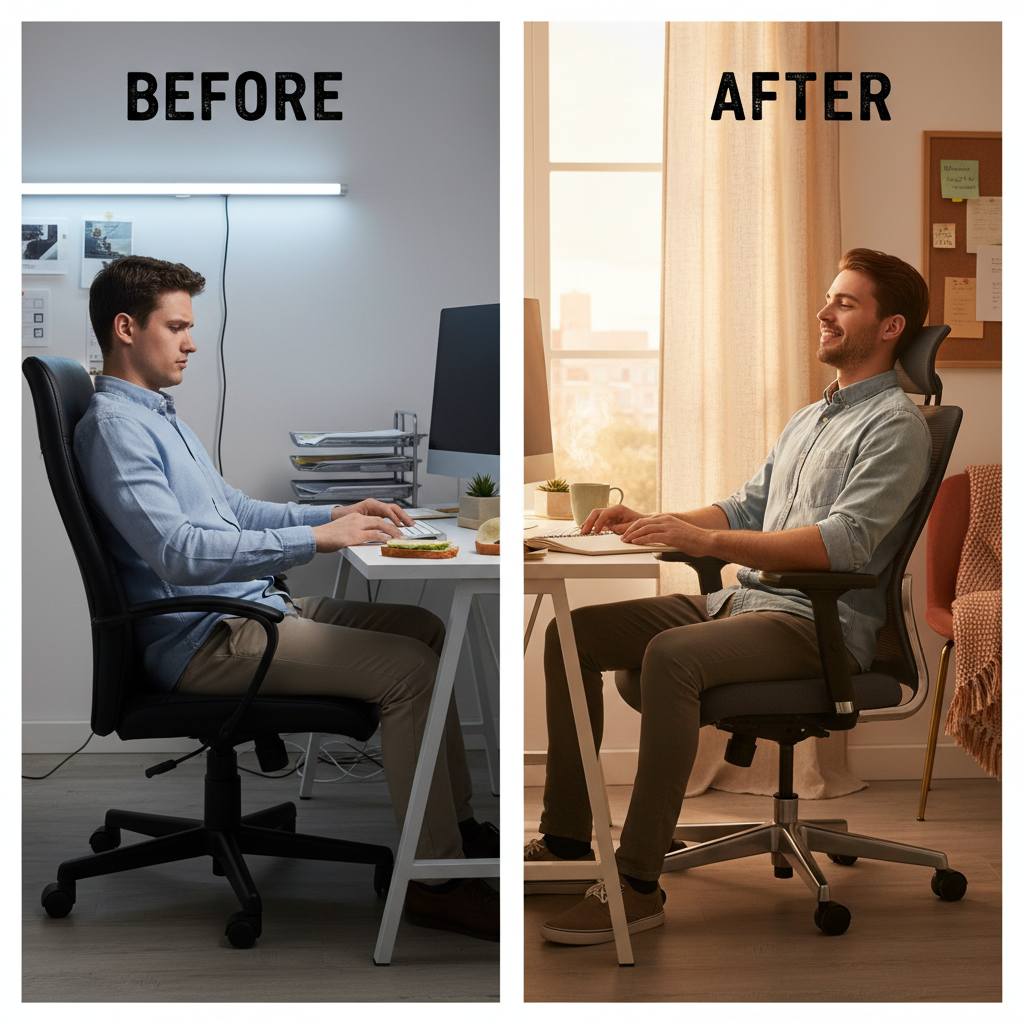
Investing in a mesh ergonomic high back manager office chair isn’t merely a purchase; it's an investment in human capital. Prolonged sitting, a common feature of modern office work, can lead to a host of health issues, reducing productivity and increasing healthcare costs. A properly designed ergonomic chair directly addresses these concerns by promoting healthy posture, reducing strain on the spine, and improving blood circulation.
The prevalence of sedentary lifestyles, coupled with the increasing demands of the workplace, necessitates a proactive approach to employee wellbeing. A high-quality mesh ergonomic high back manager office chair serves as a tangible demonstration of an organization’s commitment to creating a healthier, more supportive work environment.
Defining Mesh Ergonomic High Back Manager Office Chairs
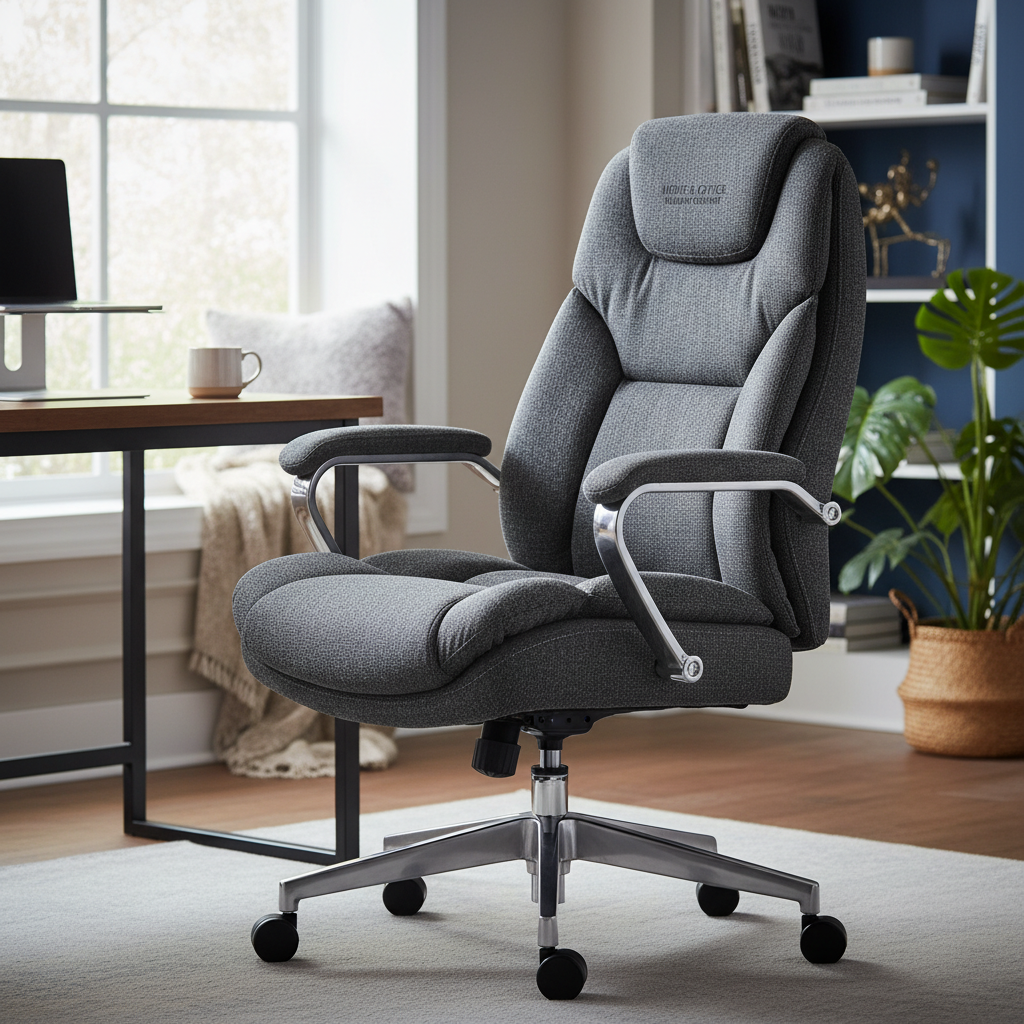
A mesh ergonomic high back manager office chair is specifically designed to provide optimal support and comfort for individuals spending extended periods seated. The “mesh” component refers to the breathable fabric used for the backrest and often the seat, promoting airflow and preventing overheating. “Ergonomic” signifies that the chair's design is based on principles of human anatomy and biomechanics, aiming to minimize strain and maximize comfort.
Unlike traditional office chairs, ergonomic models offer adjustable features—height, lumbar support, armrests, and tilt—allowing users to customize the chair to their individual needs. The “high back” element provides full support for the entire spine, crucial for maintaining proper posture. This type of chair is particularly suited for managers and executives who often spend long hours at their desks.
The core function of this chair is to actively support the natural curves of the spine, encouraging a neutral posture and reducing the risk of musculoskeletal disorders. This differs significantly from standard chairs, which often force users into unnatural and potentially harmful positions.
Core Components of Effective Design
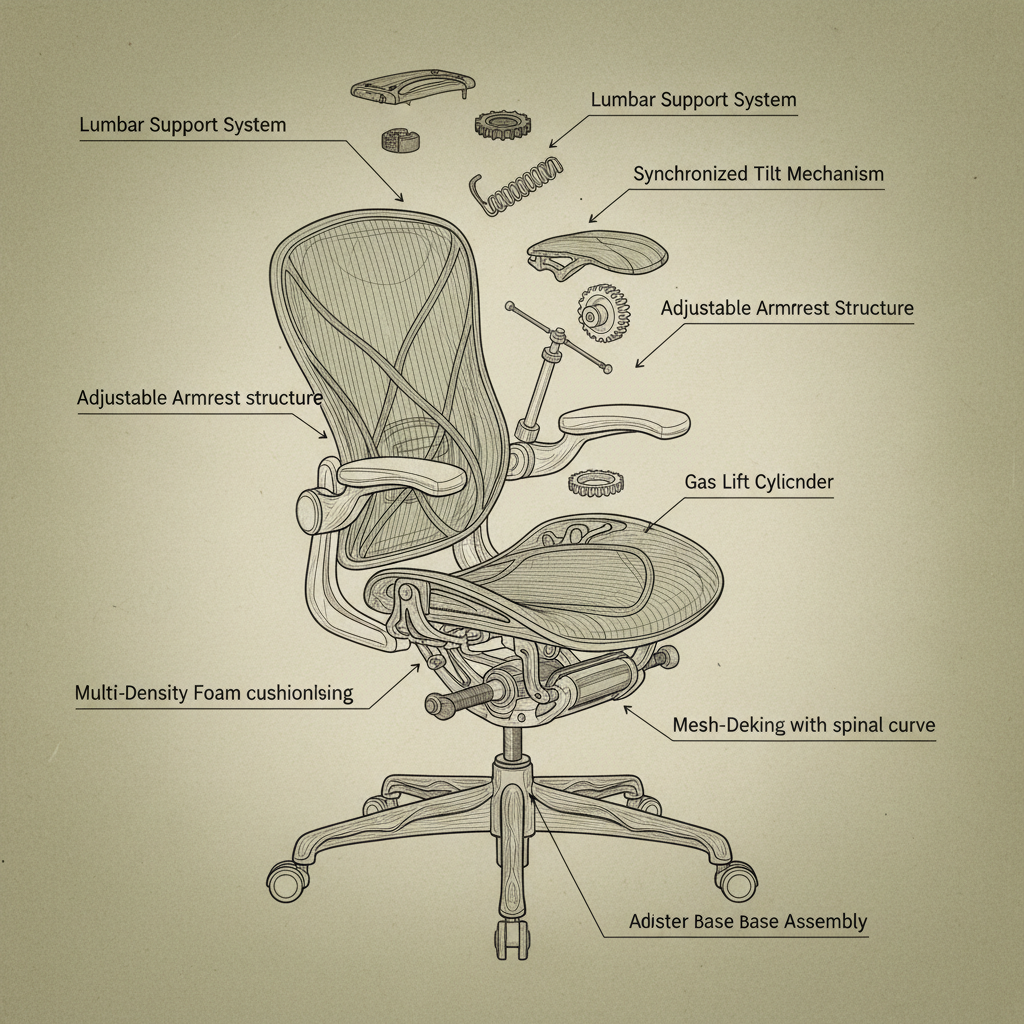
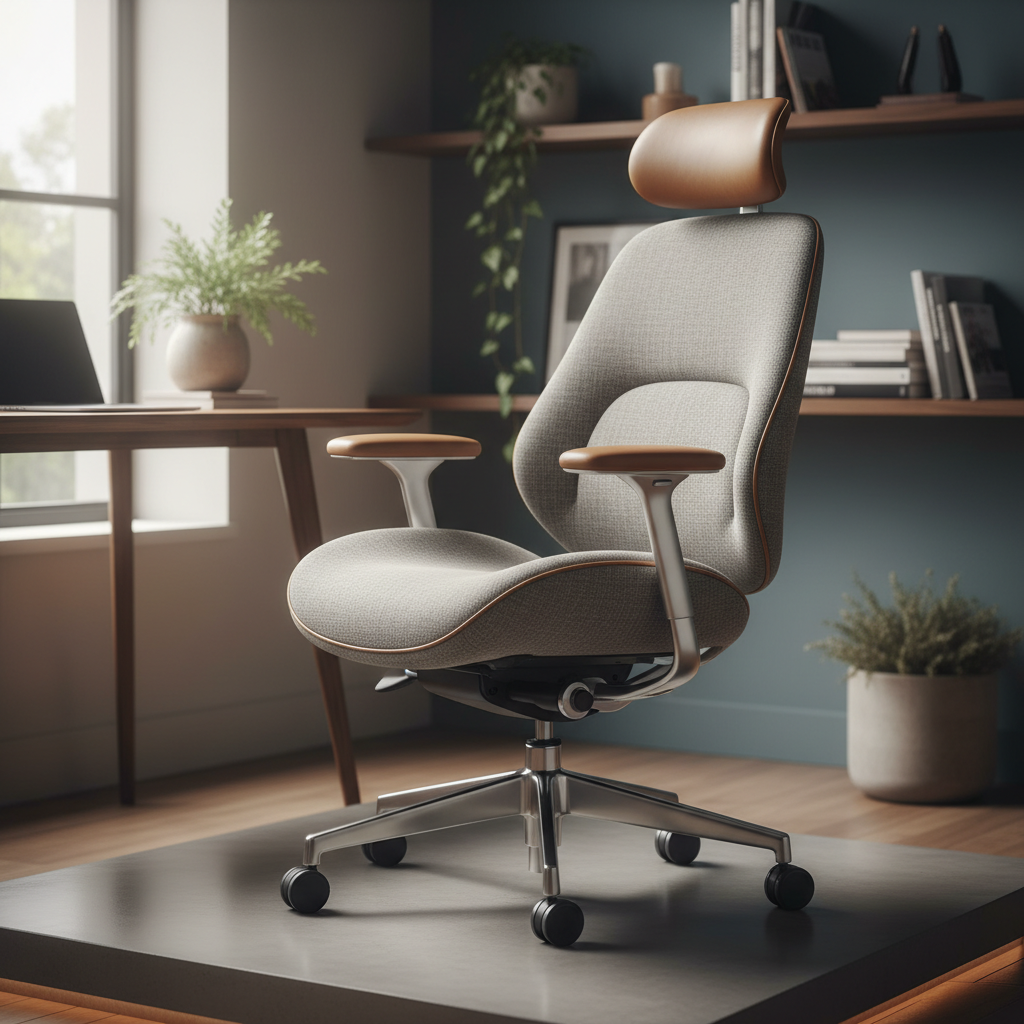
Several key components define the effectiveness of a mesh ergonomic high back manager office chair. Lumbar support is paramount, providing adjustable cushioning to maintain the natural curve of the lower back. Adjustable armrests are crucial for supporting the arms and shoulders, reducing strain on the neck and upper back.
The chair’s tilt mechanism and tilt lock features allow users to recline comfortably and maintain a stable posture during various tasks. A five-star base with smooth-rolling casters ensures stability and ease of movement. Finally, the quality of the mesh material itself is vital – it should be durable, breathable, and comfortable to the touch.
These elements work synergistically to create a chair that adapts to the user's body, promoting proper alignment and reducing the risk of discomfort and injury. The adjustability of these features is key; a “one-size-fits-all” approach rarely provides optimal ergonomic support.
Global Applications and Industry Impact
The demand for mesh ergonomic high back manager office chair extends across numerous industries globally. In the corporate sector, businesses are increasingly recognizing the link between employee wellbeing and productivity, leading to widespread adoption of ergonomic furniture. Financial institutions, tech companies, and healthcare organizations are particularly prominent adopters.
Government agencies and educational institutions are also investing in ergonomic solutions to support their workforce and student populations. In regions with a strong focus on worker safety and health, such as Europe and North America, ergonomic standards and regulations further drive demand. In emerging economies, as workplace environments become more formalized, the demand for ergonomic chairs is steadily increasing.
Comparative Ergonomic Feature Satisfaction in Mesh High-Back Manager Chairs
Advantages and Long-Term Value Proposition
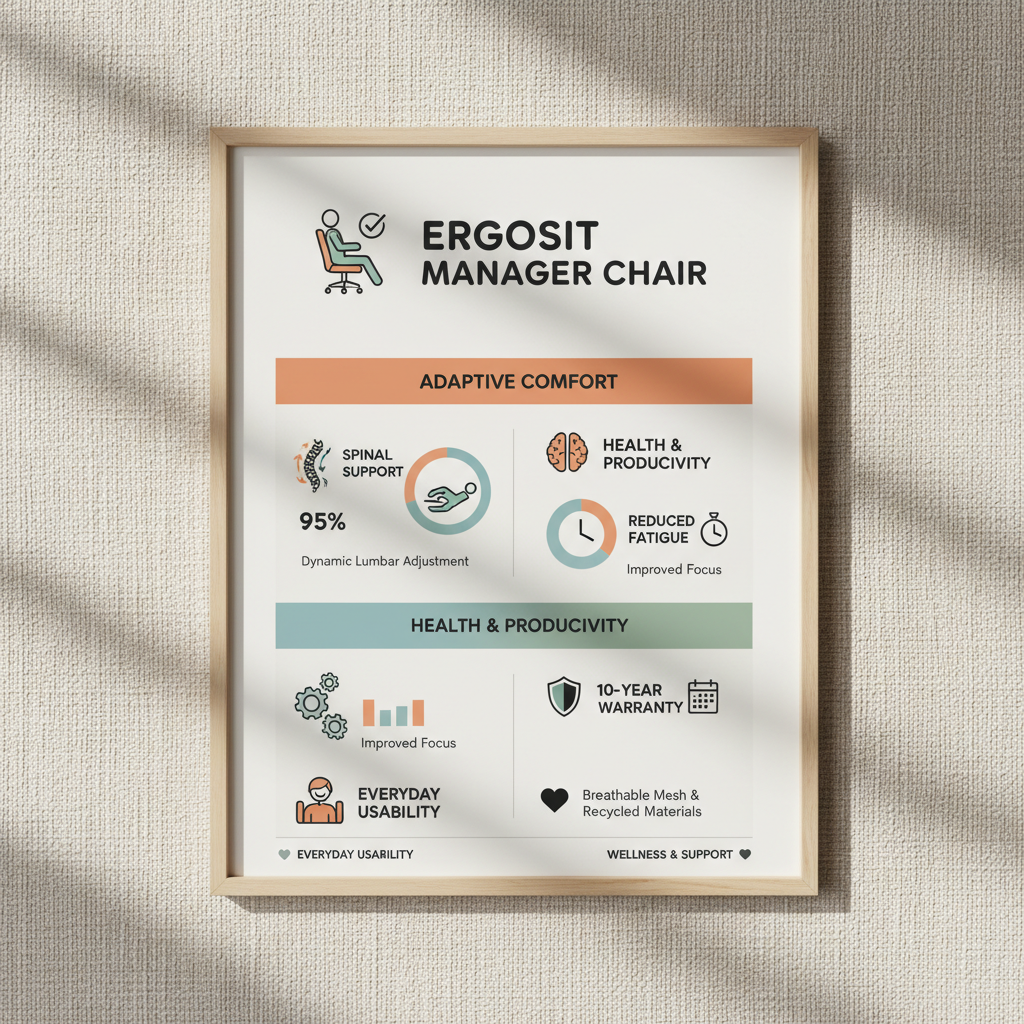
The benefits of investing in a mesh ergonomic high back manager office chair extend far beyond initial comfort. Reduced instances of musculoskeletal disorders translate directly into lower healthcare costs and reduced absenteeism. Improved posture and circulation contribute to increased energy levels and enhanced cognitive function, boosting productivity.
Furthermore, a well-designed ergonomic chair can improve employee morale and create a more positive work environment. This demonstrates a commitment to employee wellbeing, fostering loyalty and attracting top talent. The long-term cost savings associated with reduced healthcare claims and increased productivity often outweigh the initial investment.
Future Trends and Innovations
The future of mesh ergonomic high back manager office chair design is focused on further personalization and integration with technology. Expect to see chairs with advanced sensors that monitor posture and provide real-time feedback, encouraging users to maintain optimal alignment.
Smart chairs that automatically adjust to the user’s body and preferences are also on the horizon. Sustainable materials and manufacturing processes are becoming increasingly important, with manufacturers exploring eco-friendly alternatives to traditional materials. Integration with virtual reality and augmented reality platforms for remote ergonomic assessments is another emerging trend.
Materials science is also playing a role, with ongoing research into new mesh fabrics that offer even greater breathability, durability, and support. These innovations will continue to enhance the comfort, health benefits, and sustainability of ergonomic office chairs.
Challenges and Solutions in Implementation
Despite the clear benefits, implementing ergonomic solutions like mesh ergonomic high back manager office chair can present challenges. Cost is often a primary concern, particularly for smaller businesses. However, leasing options and the long-term cost savings can mitigate this issue.
Ensuring proper chair adjustment and user education is crucial. Simply providing ergonomic chairs isn't enough; employees need to be trained on how to adjust the chair correctly to their body and needs. Resistance to change and a lack of awareness regarding the importance of ergonomics can also hinder implementation.
Addressing these challenges requires a comprehensive approach that includes employee education, ergonomic assessments, and ongoing support. A phased implementation plan can help manage costs and minimize disruption. Demonstrating the tangible benefits of ergonomic chairs – such as reduced pain and increased productivity – can help overcome resistance and foster buy-in.
Key Considerations for Successful Mesh Ergonomic High Back Manager Office Chair Implementation
| Implementation Stage |
Potential Challenges |
Mitigation Strategies |
Key Performance Indicators (KPIs) |
| Initial Assessment & Planning |
Budget constraints, lack of stakeholder buy-in. |
Cost-benefit analysis, executive presentations, pilot program. |
Stakeholder approval rate, budget allocation secured. |
| Chair Selection & Procurement |
Wide variety of models, ensuring quality and features. |
Vendor research, product demonstrations, ergonomic evaluations. |
Chair features matching requirements, vendor reliability. |
| Employee Training & Education |
Low engagement, lack of understanding. |
Interactive workshops, personalized adjustment sessions, ongoing support. |
Training participation rate, employee feedback scores. |
| Implementation & Installation |
Disruption to workflow, logistical challenges. |
Phased rollout, dedicated installation team, clear communication. |
Installation completion time, minimal workflow interruption. |
| Post-Implementation Monitoring |
Lack of sustained usage, improper adjustments. |
Follow-up assessments, refresher training, ongoing support. |
Chair adjustment compliance, employee satisfaction levels. |
| Long-Term Evaluation |
Difficulty measuring ROI, lack of data. |
Tracking healthcare costs, absenteeism rates, productivity metrics. |
Reduction in MSD claims, increase in employee productivity. |
FAQS
When selecting a mesh ergonomic high back manager office chair, prioritize adjustable lumbar support, adjustable armrests (height, width, and depth), a seat depth adjustment to accommodate different thigh lengths, and a tilt mechanism with tilt lock. A breathable mesh back is also crucial for maintaining comfort during extended periods of sitting. Ensure the chair meets industry standards for ergonomic design, such as BIFMA certification, for guaranteed quality and safety.
Begin by adjusting the chair height so your feet are flat on the floor and your knees are bent at a 90-degree angle. Next, adjust the lumbar support to fit the natural curve of your lower back. Position the armrests so your elbows are bent at a 90-degree angle and your shoulders are relaxed. Finally, adjust the seat depth and tilt to ensure comfortable support without restricting circulation. Regularly re-adjust the chair as needed throughout the day to maintain optimal posture.
The lifespan of a mesh ergonomic high back manager office chair typically ranges from 5 to 10 years, depending on the quality of materials, usage frequency, and maintenance. Higher-end models with durable frames and robust mechanisms tend to last longer. Regular cleaning, tightening of screws, and prompt replacement of worn parts can significantly extend the chair’s lifespan. Warranty coverage is also an important factor to consider.
High-quality mesh chairs can offer excellent support, comparable to chairs with traditional upholstery. Modern mesh materials are designed to provide dynamic support, conforming to the body's shape and distributing weight evenly. The key is to choose a chair with a well-designed mesh tension and a robust frame. Properly adjusted lumbar support and armrests also contribute to overall comfort and support.
The weight capacity of a mesh ergonomic high back manager office chair is crucial for safety and durability. Exceeding the weight limit can damage the chair’s mechanisms and compromise its support. Always check the manufacturer’s specifications to ensure the chair can accommodate the user's weight. Choosing a chair with a higher weight capacity than needed provides an extra margin of safety.
Regular maintenance of a mesh ergonomic high back manager office chair involves cleaning the mesh and upholstery with a mild detergent and water. Periodically check and tighten all screws and bolts to ensure stability. Inspect the casters for wear and tear, and replace them as needed. Avoid exposing the chair to extreme temperatures or direct sunlight, which can damage the materials. Following these simple maintenance steps will prolong the chair's lifespan and ensure optimal performance.
Conclusion
In conclusion, the mesh ergonomic high back manager office chair represents a significant advancement in workplace wellbeing and productivity. From its core ergonomic features to its potential for long-term cost savings, the benefits are substantial. By prioritizing employee comfort and support, businesses can cultivate a healthier, more engaged, and more productive workforce.
Looking ahead, continued innovation in materials, technology, and design will further enhance the capabilities of these chairs. Investing in a mesh ergonomic high back manager office chair isn’t simply a matter of purchasing furniture; it’s a strategic investment in the future of work, fostering a culture of wellbeing and driving organizational success. Visit our website at www.laining-global.com to explore our range of ergonomic solutions.



 English
  Arabic
  Belarusian
  Danish
  Dutch
Dutch  Finnish
  French
  German
  Greek
Greek  Icelandic
  Italian
  Japanese
  Korean
  Latin
Latin  Polish
  Portuguese
  Russian
  Spanish
  Swedish
  Thai
Thai