The modern workplace demands not just comfort, but also resilience and support. A heavy duty ergonomic office chair is no longer a luxury but a necessity, especially for individuals who spend extended hours seated. These chairs are engineered to withstand rigorous use while prioritizing the well-being of the user, addressing issues ranging from chronic back pain to decreased productivity. Understanding the specifications and benefits of a heavy duty ergonomic office chair is crucial for both employers and employees seeking to optimize their work environment.
Globally, increasing awareness of workplace ergonomics is driving demand for specialized seating solutions. Factors such as longer working hours, sedentary lifestyles, and a greater emphasis on employee health are contributing to this trend. The implementation of heavy duty ergonomic office chair supports organizational goals related to reducing absenteeism, improving morale, and increasing overall efficiency.
Investing in a robust and well-designed heavy duty ergonomic office chair represents a proactive approach to employee wellness and long-term productivity, offering substantial returns on investment beyond mere comfort. It's a core component of a healthy and supportive work culture.
Defining Heavy Duty Ergonomic Office Chairs
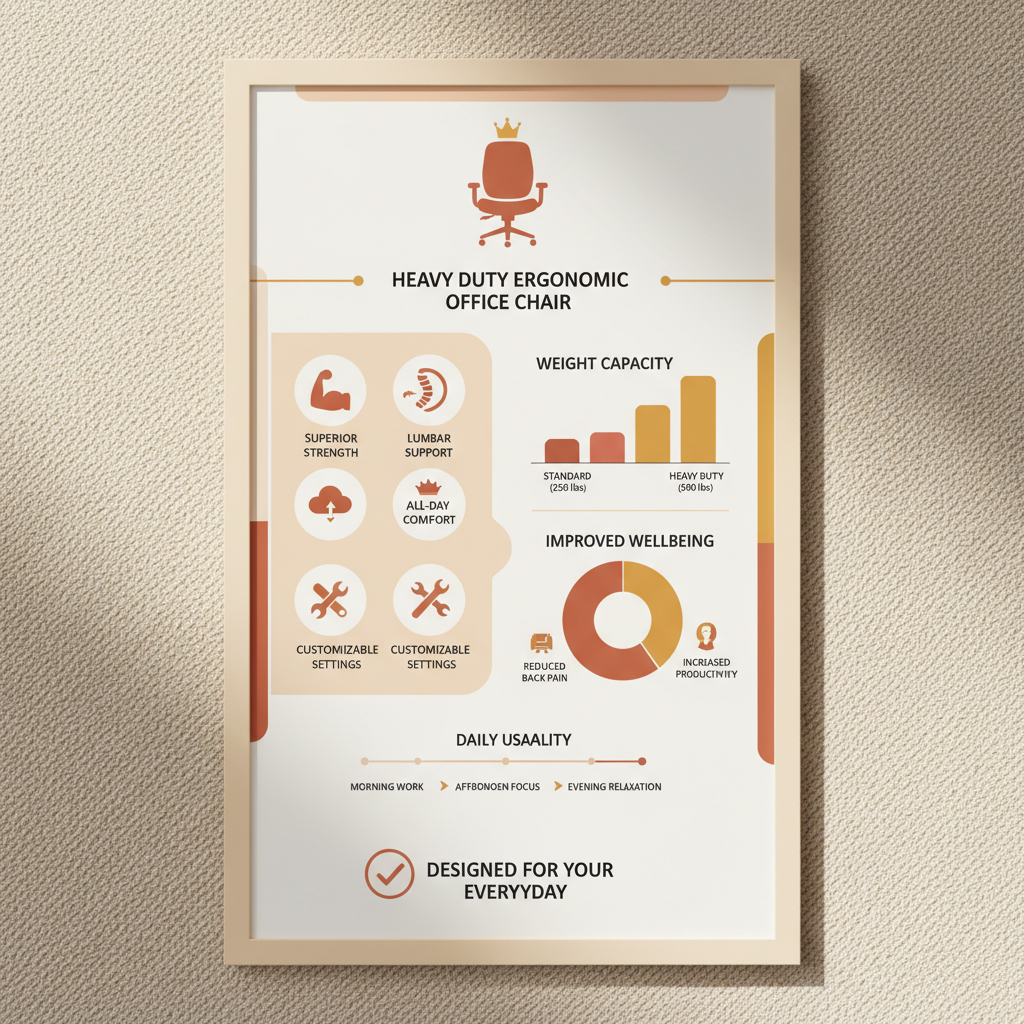
A heavy duty ergonomic office chair is specifically designed to provide superior support and withstand prolonged, intensive use. Unlike standard office chairs, these chairs are built with reinforced frames, high-density cushioning, and adjustable features tailored to accommodate a wide range of body types and work styles.
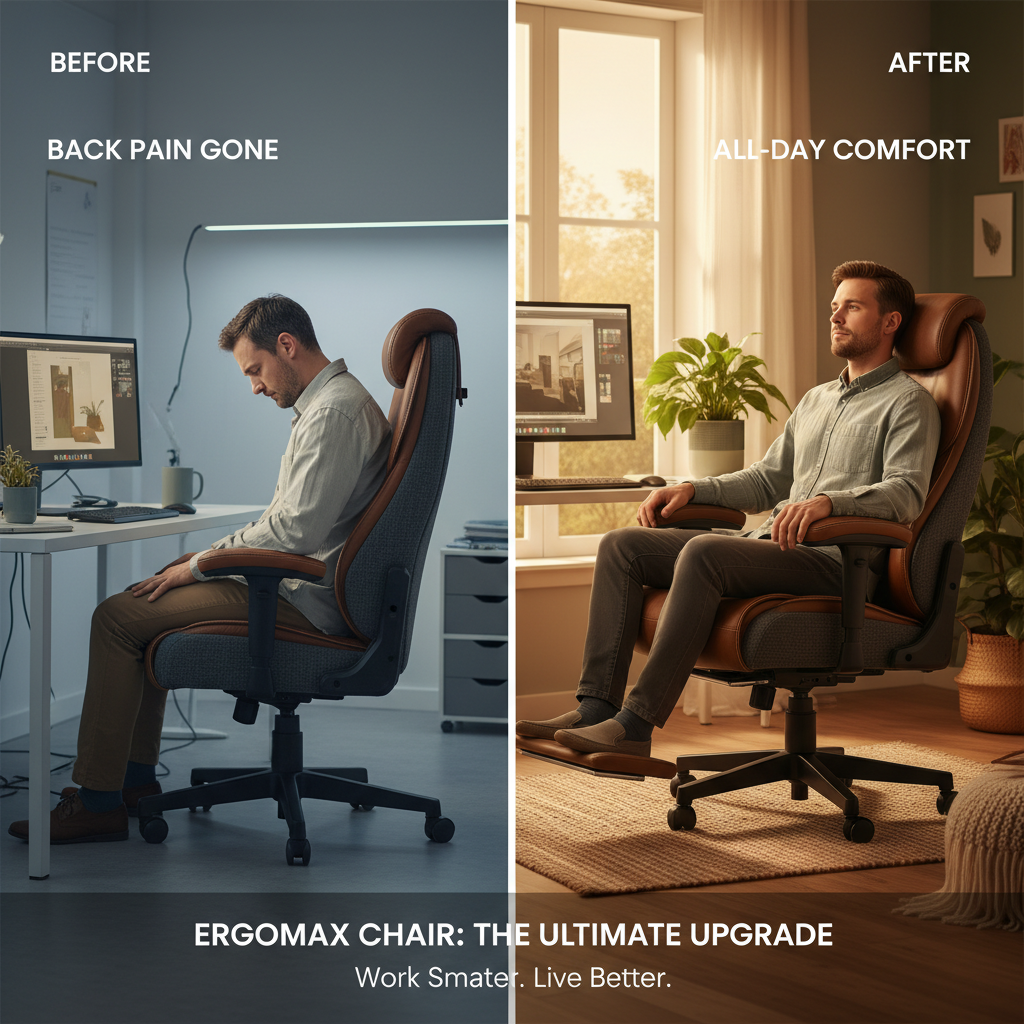
These chairs aren’t merely about comfort; they are about preventing musculoskeletal disorders, promoting proper posture, and boosting productivity by minimizing fatigue and discomfort during extended work periods. They represent an investment in the long-term health and well-being of the user.
The Global Context and Importance
The global emphasis on workplace health and safety regulations is a primary driver for the increased adoption of ergonomic solutions, including heavy duty ergonomic office chair. Organizations worldwide are facing growing pressure to comply with standards set by organizations like ISO and OSHA, which prioritize employee well-being and aim to reduce work-related injuries.
According to the World Health Organization, musculoskeletal disorders are a leading cause of disability globally. These disorders often stem from poor posture and inadequate support during prolonged sitting. Investing in ergonomic seating can significantly mitigate these risks and reduce healthcare costs associated with treating these conditions.
Furthermore, remote work trends have amplified the need for employees to have access to quality ergonomic equipment at home, highlighting the importance of accessible and affordable heavy duty ergonomic office chair options.
Core Components & Design Features
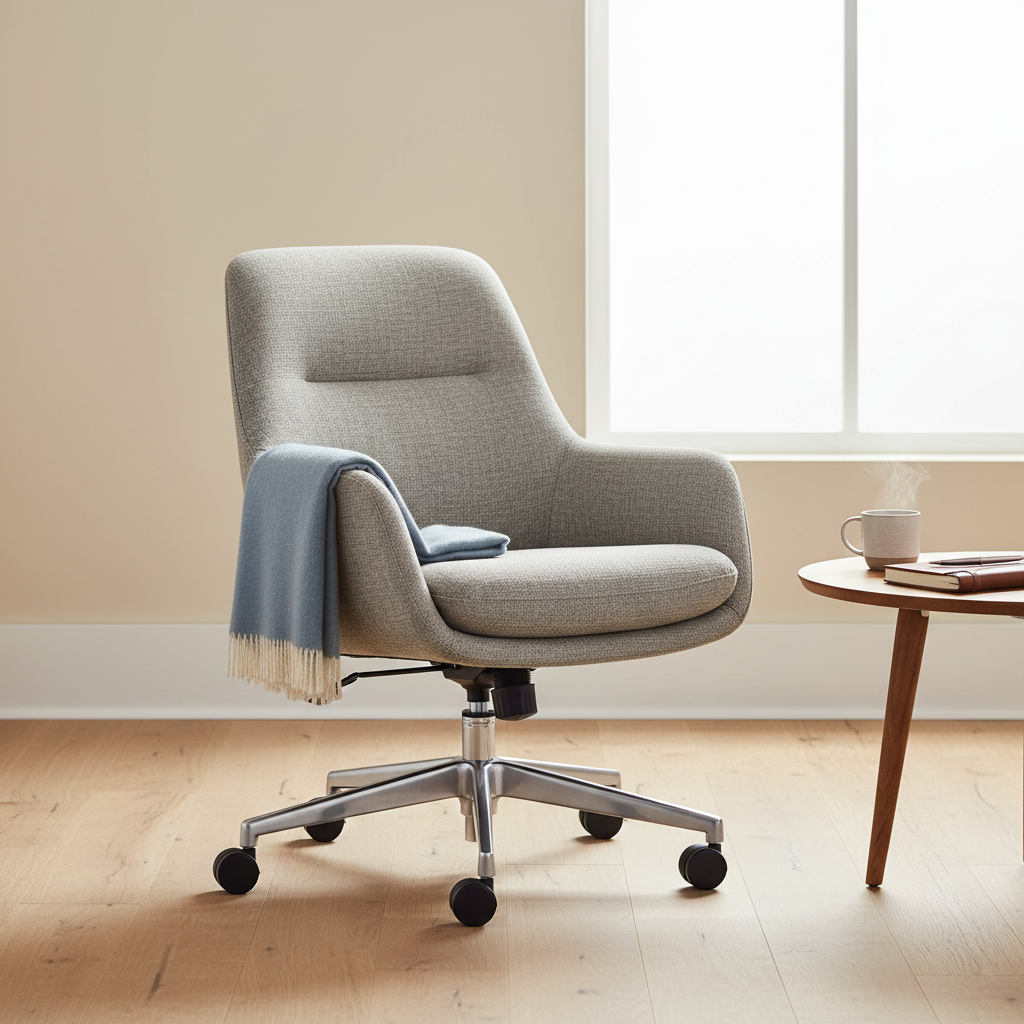
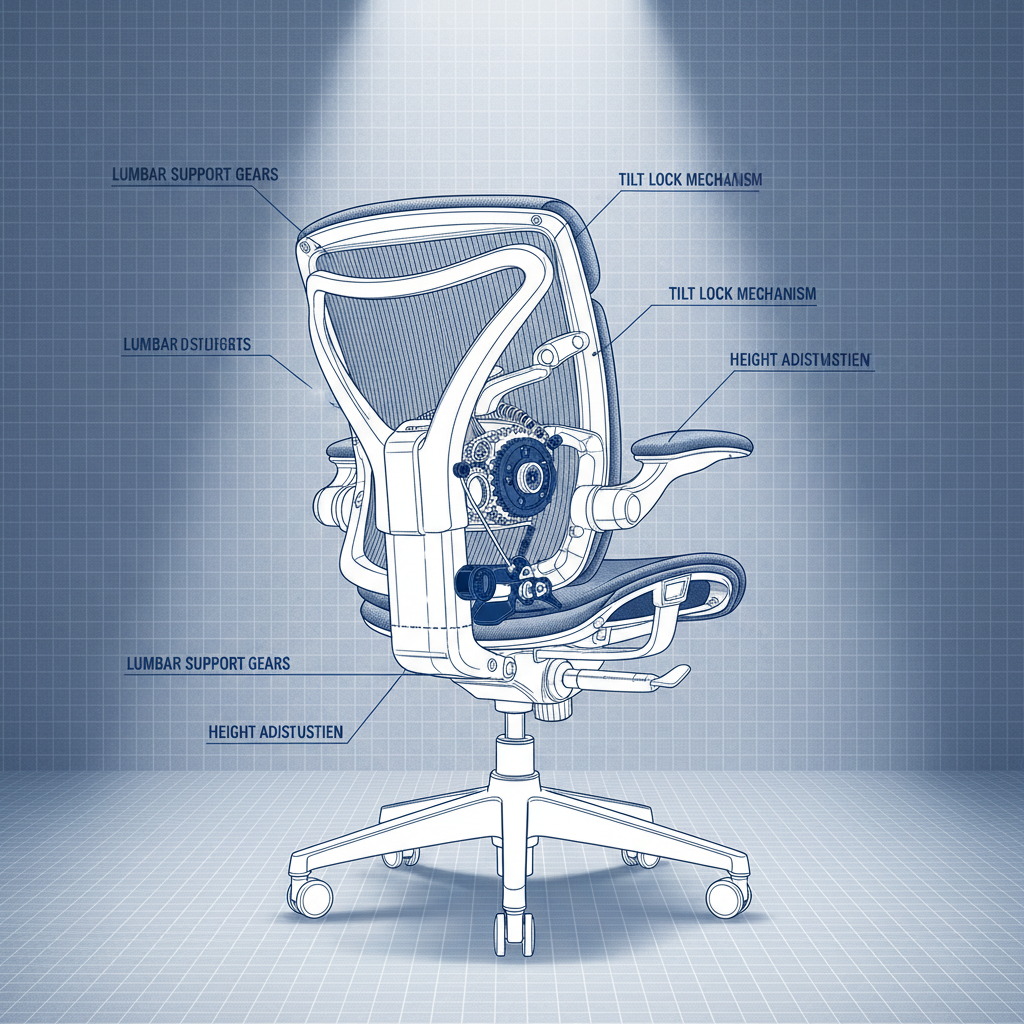
Several key components differentiate a heavy duty ergonomic office chair from its standard counterparts. These include a robust five-star base constructed from reinforced materials, a high backrest with adjustable lumbar support, and a seat cushion engineered for optimal pressure distribution.
Adjustability is paramount. Features like adjustable armrests (height, width, and depth), seat height, tilt tension, and tilt lock mechanisms allow users to customize the chair to their individual needs and preferences, ensuring proper alignment and minimizing strain.
The quality of materials is also critical. Heavy duty chairs typically utilize breathable mesh fabrics, durable upholstery, and high-quality foam to provide both comfort and longevity. The chair’s construction is optimized to promote airflow and minimize heat buildup, enhancing comfort during long work sessions.
Durability & Material Science
A defining characteristic of a heavy duty ergonomic office chair is its exceptional durability. This is achieved through the selection of high-grade materials and robust construction techniques. Reinforced steel frames, heavy-duty casters, and durable upholstery are common features.
Material science plays a crucial role. For instance, the use of high-density molded foam provides superior support and resists compression over time, maintaining the chair's ergonomic benefits. Advanced mesh materials offer excellent breathability and durability, preventing premature wear and tear.
Comparison of Material Durability in Heavy Duty Ergonomic Office Chairs
Real-World Applications & Sectors
Heavy duty ergonomic office chair find applications across a diverse range of industries and settings. Call centers, where employees spend extended periods seated, benefit significantly from the enhanced support and comfort these chairs provide.
Manufacturing facilities and industrial environments also utilize these chairs, particularly for quality control stations and supervisory roles. Moreover, the healthcare sector incorporates heavy duty ergonomic seating in administrative offices, patient reception areas, and even certain clinical settings.
The Long-Term Value Proposition
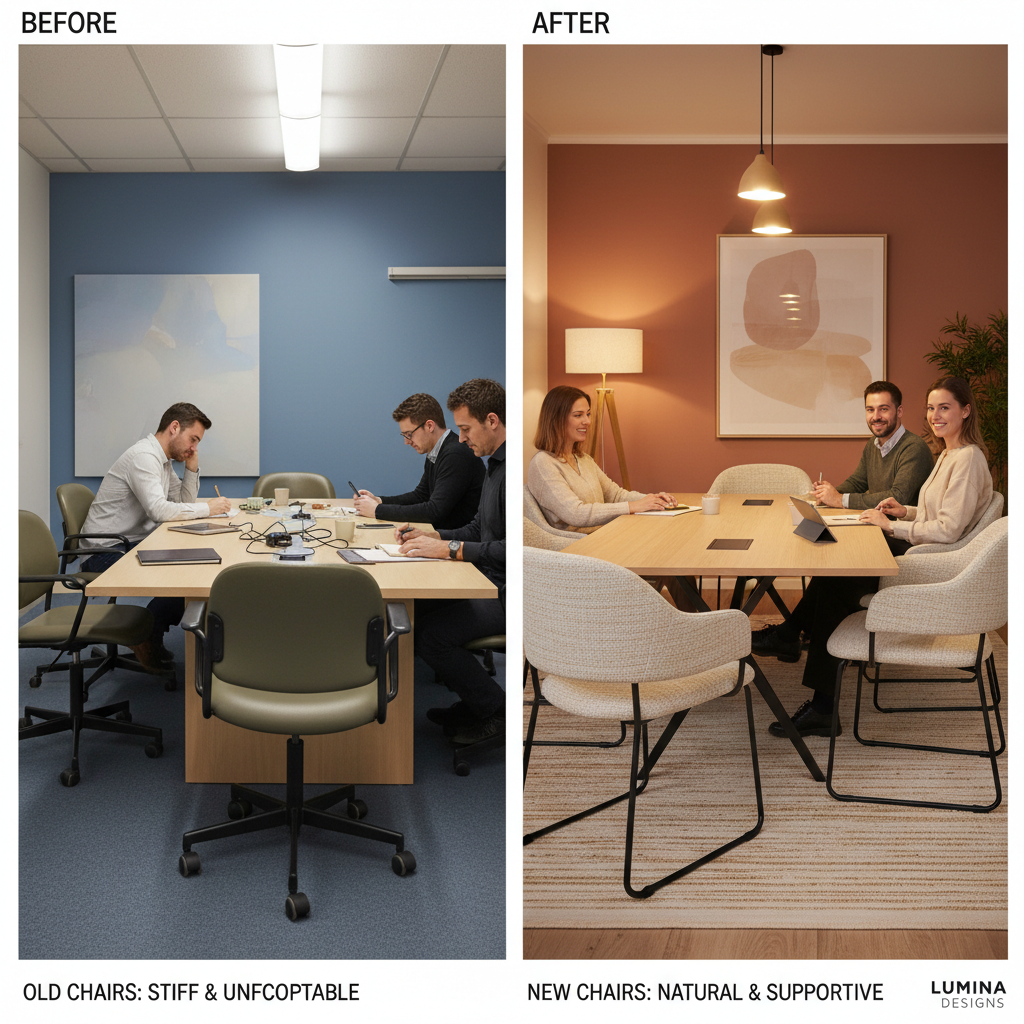
While the initial investment in a heavy duty ergonomic office chair may be higher than that of a standard chair, the long-term benefits far outweigh the costs. Reduced healthcare expenses due to fewer musculoskeletal injuries, increased employee productivity, and improved morale all contribute to a substantial return on investment.
From a sustainability perspective, durable chairs that last for many years reduce the need for frequent replacements, minimizing waste and environmental impact. The enhanced comfort and support contribute to a positive work environment, fostering employee loyalty and reducing turnover.
Future Innovations and Trends
The future of heavy duty ergonomic office chair is poised for continued innovation. Expect to see integration of smart technologies, such as sensors that monitor posture and provide real-time feedback, or chairs that automatically adjust to the user’s body weight and movements.
Sustainable materials and manufacturing processes will become increasingly important, with a focus on using recycled materials and reducing carbon footprint. We will also see increased personalization, with chairs designed to meet the unique needs of individual users based on their specific tasks and physical characteristics.
The integration of AI-powered personalization could further optimize comfort and support, offering a truly customized seating experience.
Summary of Key Considerations for Heavy Duty Ergonomic Office Chair Selection
| Usage Intensity |
User Weight Capacity |
Adjustability Features |
Material Quality & Warranty |
| Light (4-6 hours/day) |
Up to 250 lbs |
Seat Height, Tilt Tension |
Standard Fabric, 1-Year Warranty |
| Moderate (6-8 hours/day) |
250-300 lbs |
Seat Height, Tilt Tension, Lumbar Support |
Durable Mesh, 3-Year Warranty |
| Heavy (8+ hours/day) |
300-350 lbs |
Full Adjustability (Armrests, Seat Depth, Tilt) |
High-Density Foam, Steel Frame, 5-Year Warranty |
| Multi-User Environments |
350+ lbs |
Easy Adjustment Mechanisms |
Commercial-Grade Fabric, Reinforced Construction |
| Specialized Tasks (e.g., Drafting) |
Varies based on task requirements |
Footrest, Adjustable Headrest |
Task-Specific Materials |
| Long-Term Investment |
High Weight Capacity |
Comprehensive Adjustability |
Premium Materials, Extended Warranty |
FAQS
A heavy duty ergonomic office chair is designed for prolonged, intensive use with a reinforced frame, high-density cushioning, and more extensive adjustability options. Standard chairs often lack these features and may not provide adequate support for extended periods, potentially leading to discomfort and health issues. They prioritize durability and long-term comfort over short-term cost savings.
Proper sizing is crucial. Ensure your feet are flat on the floor or supported by a footrest, your knees are at a 90-degree angle, and your elbows are comfortably positioned. Adjust the seat height, lumbar support, armrests, and tilt tension to achieve optimal posture and minimize strain. Refer to the chair's manual for specific adjustment instructions.
Common materials include reinforced steel frames, high-density molded foam, breathable mesh fabrics, and durable upholstery. Steel provides structural integrity, foam offers comfortable support, mesh promotes airflow, and durable upholstery resists wear and tear. These materials are selected for their longevity and ability to withstand heavy use.
With proper care, a high-quality heavy duty ergonomic office chair should last 5-10 years or longer. Regularly inspect the chair for wear and tear, and replace components as needed. The lifespan will depend on usage intensity and the quality of the materials used in its construction.
Absolutely! Remote workers often spend extended hours at their home offices, making ergonomic support even more crucial. A heavy duty ergonomic chair can prevent discomfort, improve posture, and boost productivity, ultimately contributing to a healthier and more effective work-from-home experience.
The price range for a heavy duty ergonomic office chair varies depending on features, materials, and brand. You can typically expect to pay between $300 and $1500 or more for a high-quality chair. Consider the investment as a long-term health and productivity benefit rather than a simple expense.
Conclusion
In conclusion, a heavy duty ergonomic office chair represents a critical investment in employee well-being, productivity, and long-term cost savings. These chairs are more than just seating solutions; they are integral components of a healthy and supportive work environment, mitigating risks associated with prolonged sitting and promoting optimal physical health. Their durability, adjustability, and emphasis on ergonomic principles make them a worthwhile asset for any organization or individual.
Looking ahead, advancements in materials, smart technology, and personalization will continue to shape the evolution of these chairs. Prioritizing ergonomic seating demonstrates a commitment to employee health and a forward-thinking approach to workplace design. Visit our website at www.laining-global.com to explore our range of heavy duty ergonomic office chair solutions.



 English
  Arabic
  Belarusian
  Danish
  Dutch
Dutch  Finnish
  French
  German
  Greek
Greek  Icelandic
  Italian
  Japanese
  Korean
  Latin
Latin  Polish
  Portuguese
  Russian
  Spanish
  Swedish
  Thai
Thai