The demand for robust and reliable seating solutions is paramount in today’s demanding work environments. A office chair heavy duty is engineered to withstand rigorous use, offering superior durability and long-term value compared to standard office chairs. This isn’t simply about comfort; it's about investing in workplace safety, ergonomics, and reduced long-term costs associated with frequent replacements.
Globally, businesses are increasingly prioritizing employee well-being and productivity. An office chair heavy duty plays a critical role in supporting these goals. From call centers requiring 24/7 operation to manufacturing facilities demanding resilient equipment, the need for chairs capable of enduring heavy use is significant. Data from the Bureau of Labor Statistics indicates a steady rise in reported musculoskeletal disorders related to workplace ergonomics, further highlighting the importance of investing in proper seating.
Beyond the workplace, sectors like education, healthcare, and government also benefit from the enhanced durability and support offered by heavy-duty office chairs. Choosing the right chair isn’t just a purchasing decision; it’s an investment in a healthier, more productive, and safer environment for everyone involved. The ability to handle increased weight capacities and withstand extended use makes office chair heavy duty a sensible choice for a diverse range of applications.
Introduction to office chair heavy duty
An office chair heavy duty is specifically designed and constructed to withstand significantly more weight and use than a standard office chair. This enhanced capability is achieved through the use of reinforced materials, robust construction techniques, and a focus on long-term durability. It goes beyond simply being 'strong' – it's about engineered resilience.
These chairs are critical in environments where prolonged use and higher weight capacities are common, providing reliable support and minimizing the risk of premature failure. The investment in a quality office chair heavy duty often translates into substantial cost savings over time by reducing the frequency of replacements and associated downtime.
Global Relevance and Industry Context
The global office furniture market is a multi-billion dollar industry, and the segment for heavy-duty chairs is experiencing consistent growth, driven by the increasing awareness of ergonomic best practices and the need for durable solutions in demanding environments. According to a report by Statista, the global office furniture market is projected to reach $94.84 billion by 2027. This growth is fueled by a rising global workforce and increasing corporate investment in employee wellness.
Industries such as manufacturing, healthcare, transportation, and security are particularly reliant on office chair heavy duty. Call centers and 24/7 operation facilities also require chairs capable of withstanding constant use. The ISO standards for office furniture, particularly ISO 9241-5, highlight the importance of ergonomic design and durability, driving demand for chairs that meet or exceed these requirements.
The challenge lies in balancing durability with comfort and affordability. Many standard office chairs lack the structural integrity to withstand heavy use over extended periods, leading to frequent replacements and increased costs. office chair heavy duty addresses this challenge by providing a long-term, cost-effective solution that prioritizes both employee well-being and operational efficiency.
Defining office chair heavy duty
An office chair heavy duty isn't simply a chair with a higher weight capacity; it’s a holistic design encompassing reinforced frames, durable upholstery, and robust mechanisms. It signifies a commitment to longevity and performance, exceeding the standards of typical office seating.
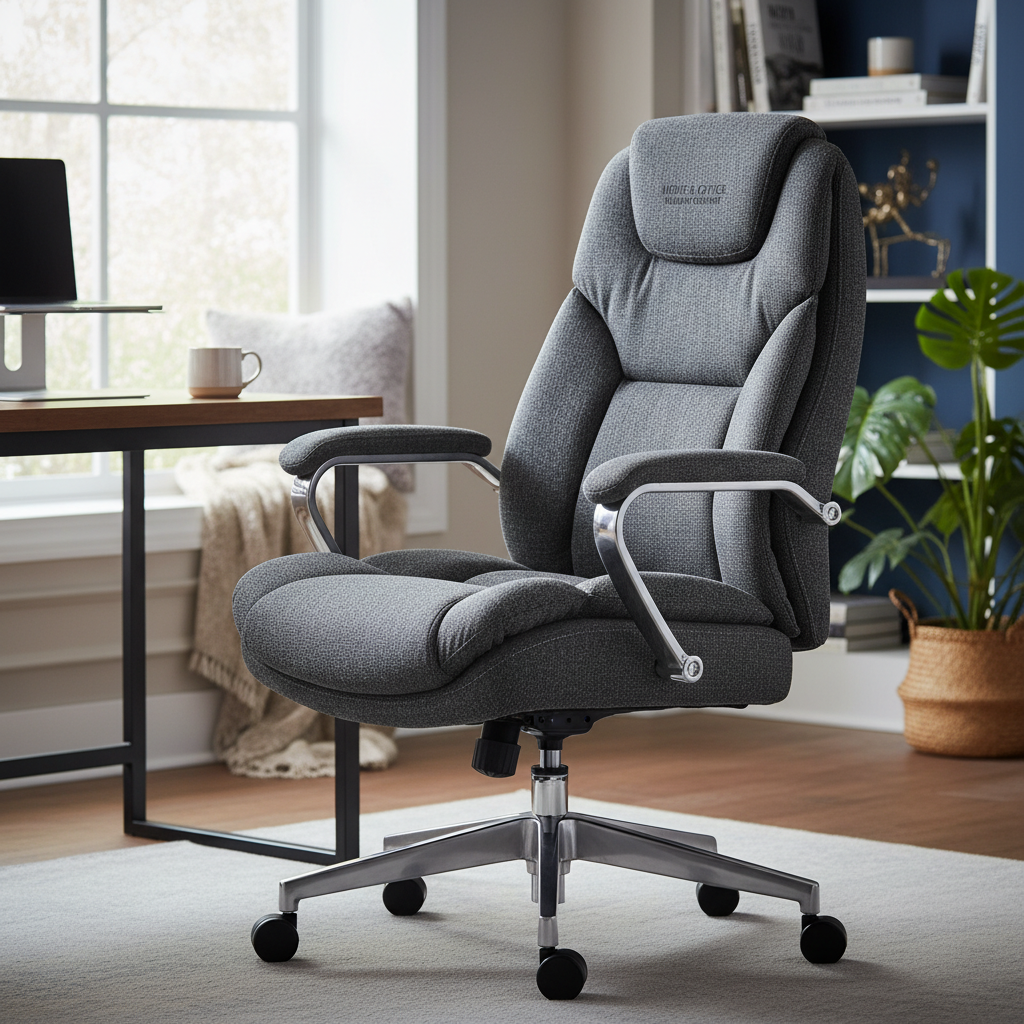
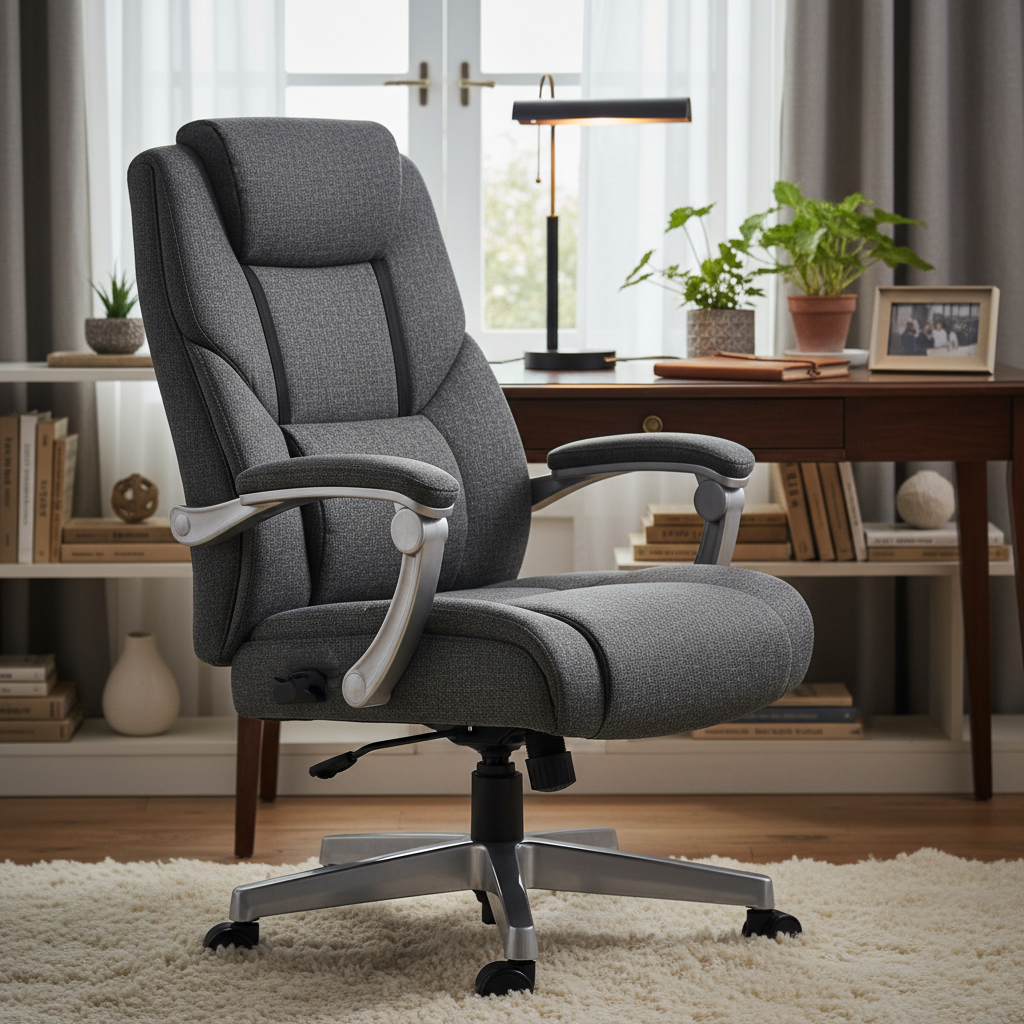
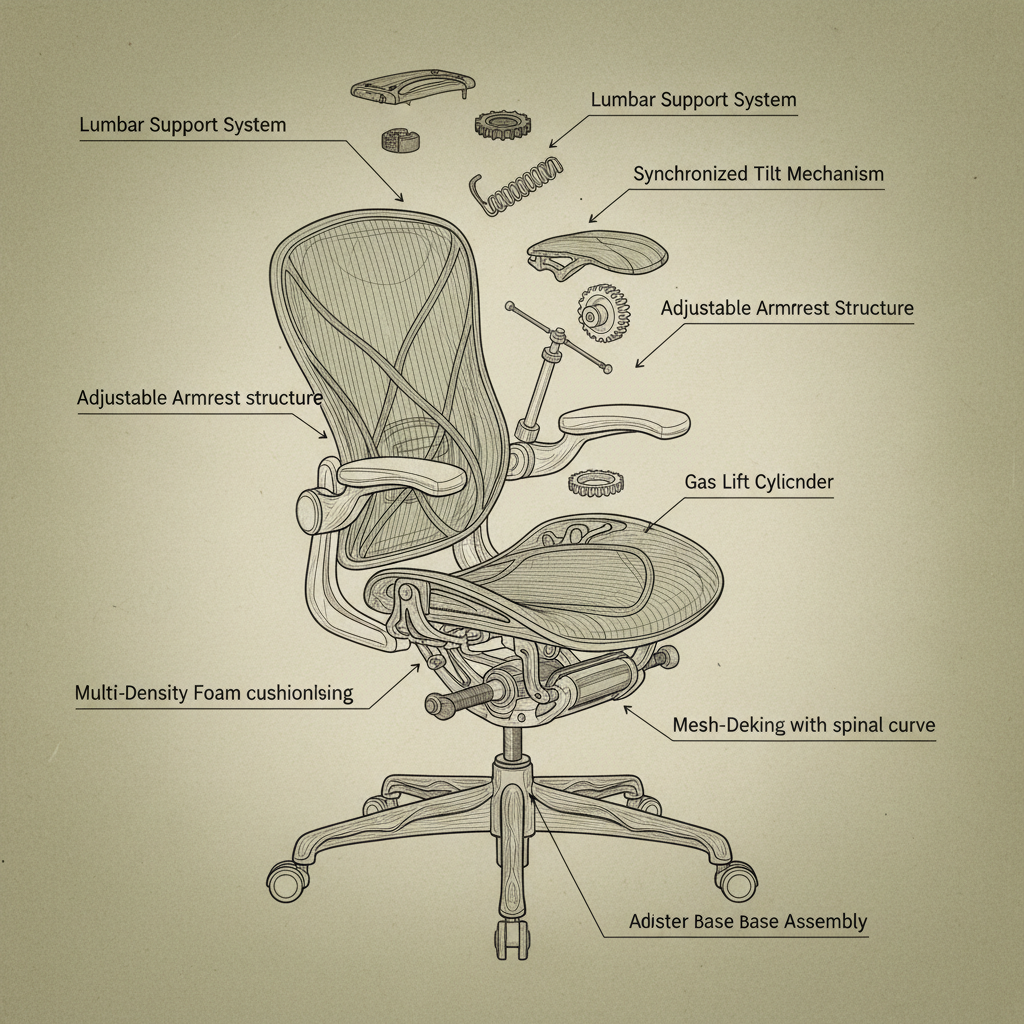
Unlike standard chairs designed for intermittent use, these chairs are built to withstand continuous, demanding applications. Key characteristics include a reinforced steel frame, high-density foam cushioning, and a heavy-duty base with enhanced stability. Often, these chairs will have a higher weight capacity, typically exceeding 300 lbs, and undergo rigorous testing to ensure structural integrity.
The connection to modern industry lies in the growing recognition that investing in employee wellbeing translates directly to increased productivity and reduced operational costs. A office chair heavy duty supports this principle by providing a comfortable, reliable, and long-lasting seating solution.
Key Factors of office chair heavy duty
Several key factors define the quality and performance of an office chair heavy duty. Understanding these factors is crucial when selecting the right chair for a specific application.
Firstly, Durability is paramount, stemming from robust materials like reinforced steel frames and high-grade upholstery. Secondly, Weight Capacity needs to be considered, ensuring the chair can safely support the intended user(s). Thirdly, Ergonomic Support remains vital, even in heavy-duty applications, requiring adjustable features for optimal posture.
office chair heavy duty Feature Importance
Global Applications of office chair heavy duty
The applications of an office chair heavy duty are diverse and span numerous industries. In manufacturing plants, these chairs provide reliable seating for workers who spend long hours on their feet or performing repetitive tasks. In healthcare settings, they support medical professionals who require durable and comfortable seating during extended shifts.
Furthermore, office chair heavy duty is increasingly utilized in call centers and 24/7 operations, where continuous use demands exceptional durability. Government agencies, particularly those involved in security and emergency response, also rely on these chairs for their robust construction and reliable performance. From bustling urban centers to remote industrial zones, these chairs offer a critical element of workplace support.
Advantages and Long-Term Value
Investing in office chair heavy duty yields significant tangible benefits, including reduced replacement costs, lower maintenance expenses, and increased employee productivity. The durability of these chairs minimizes the need for frequent repairs or replacements, resulting in long-term cost savings.
Beyond the financial advantages, there's a substantial social impact. Providing employees with comfortable and supportive seating promotes their well-being, reduces the risk of musculoskeletal disorders, and fosters a more positive work environment. The reliability and longevity of these chairs also contribute to a sense of trust and stability within the organization.
Future Trends in office chair heavy duty
Future trends in office chair heavy duty will likely focus on incorporating sustainable materials, integrating smart technologies, and enhancing ergonomic design. The use of recycled materials and eco-friendly manufacturing processes will become increasingly prevalent, aligning with growing environmental concerns.
Smart chairs equipped with sensors to monitor posture, provide real-time feedback, and adjust settings automatically are also on the horizon. Furthermore, advancements in ergonomic design will continue to prioritize individualized comfort and support, catering to a wider range of body types and work styles.
Digital transformation and automation in manufacturing will further drive demand for robust and reliable seating solutions capable of withstanding the rigors of modern industrial environments. This will likely necessitate chairs with enhanced adjustability and features tailored to specific tasks and workflows.
Comparison of Key Attributes for Next-Generation office chair heavy duty
| Material Composition |
Smart Features |
Ergonomic Adjustability |
Sustainability Rating (1-10) |
| Recycled Steel & Bio-Based Polymers |
Posture Monitoring & Alerts |
Full Lumbar, Headrest & Armrest Adjustment |
9 |
| High-Density Polypropylene & Aluminum |
Pressure Mapping & Automatic Adjustment |
Multi-Dimensional Lumbar Support |
7 |
| Reinforced Steel & Recycled Fabric |
Activity Tracking & Break Reminders |
Adjustable Seat Depth & Tilt Tension |
8 |
| Carbon Fiber & Advanced Composites |
Biometric Feedback & Personalized Settings |
Dynamic Lumbar Response & Integrated Heating |
6 |
| Sustainable Wood & Organic Cotton |
None |
Basic Height & Backrest Adjustment |
10 |
| Hybrid Steel & Recycled Plastics |
Remote Monitoring & Usage Analytics |
Customizable Ergonomic Profiles |
7 |
FAQS
A properly maintained office chair heavy duty can last for 7-10 years, or even longer, depending on usage intensity and environmental factors. This is significantly longer than the average lifespan of a standard office chair, typically 3-5 years. The robust construction and durable materials minimize wear and tear, providing a long-term investment.
Most office chair heavy duty models are designed to support a minimum of 300 lbs, with many capable of accommodating up to 400 lbs or more. It's crucial to check the manufacturer's specifications to ensure the chair can safely support the intended user's weight. The base, frame, and mechanisms are all engineered to handle these higher weight capacities.
Yes, office chair heavy duty can be very comfortable, provided they are designed with ergonomic principles in mind. Features like adjustable lumbar support, headrests, and armrests allow users to customize the chair to their individual needs. High-density foam cushioning and breathable upholstery further enhance comfort during prolonged sitting.
Common materials include reinforced steel for the frame, high-density foam for the cushioning, and durable fabrics or leather for the upholstery. Many manufacturers also utilize high-impact polymers for components like the base and armrests. The selection of materials is crucial for ensuring long-term durability and resistance to wear and tear.
Regular cleaning with a mild detergent and occasional tightening of screws are essential for maintaining a office chair heavy duty. Avoid exposing the chair to extreme temperatures or direct sunlight. Periodically inspect the upholstery for signs of wear and tear and address any issues promptly.
Yes, office chair heavy duty are specifically designed for 24/7 operations. Their robust construction, durable materials, and ergonomic features ensure they can withstand continuous use without compromising comfort or performance. They are a common choice for call centers, control rooms, and other environments with demanding seating requirements.
Conclusion
In conclusion, an office chair heavy duty represents a strategic investment in workplace wellbeing, productivity, and long-term cost savings. By prioritizing durability, ergonomic support, and robust construction, these chairs provide a reliable seating solution for demanding environments. They address the critical need for seating that can withstand continuous use, higher weight capacities, and the rigors of modern work.
Looking ahead, the integration of sustainable materials, smart technologies, and enhanced ergonomic design will further elevate the value of office chair heavy duty. By embracing innovation and prioritizing employee needs, organizations can create healthier, more productive, and more sustainable workplaces. Visit our website at www.laining-global.com to explore our range of heavy-duty office chairs and find the perfect solution for your needs.


 English
  Arabic
  Belarusian
  Danish
  Dutch
Dutch  Finnish
  French
  German
  Greek
Greek  Icelandic
  Italian
  Japanese
  Korean
  Latin
Latin  Polish
  Portuguese
  Russian
  Spanish
  Swedish
  Thai
Thai