0%

Table of Contents

The modern workplace demands more than just functionality; it requires a commitment to the well-being of employees. Central to this is the concept of an ergonomic office chair with lumbar support, a seemingly simple piece of furniture that profoundly impacts health, productivity, and overall job satisfaction. Globally, increasing awareness of musculoskeletal disorders (MSDs) and their associated costs has driven a surge in demand for these specialized chairs. According to the World Health Organization, MSDs are a leading cause of disability worldwide, costing businesses billions annually in lost productivity and healthcare expenses.

The importance of an ergonomic office chair with lumbar support extends beyond simply preventing back pain. A well-designed chair supports the natural curvature of the spine, promotes healthy posture, and reduces strain on muscles and joints. This translates into increased comfort, allowing individuals to focus on their work without distraction. The ISO 9241 series of standards provide guidelines for ergonomic design, emphasizing the importance of adjustability and user customization in office furniture.

Investing in ergonomic office chairs with lumbar support isn't merely a cost; it's a strategic investment in a company's most valuable asset: its people. Providing employees with the tools they need to work comfortably and safely fosters a positive work environment, reduces absenteeism, and ultimately boosts the bottom line. This has become particularly critical in the era of remote work, where the lines between home and office have blurred, and individuals are often working in less-than-ideal setups.
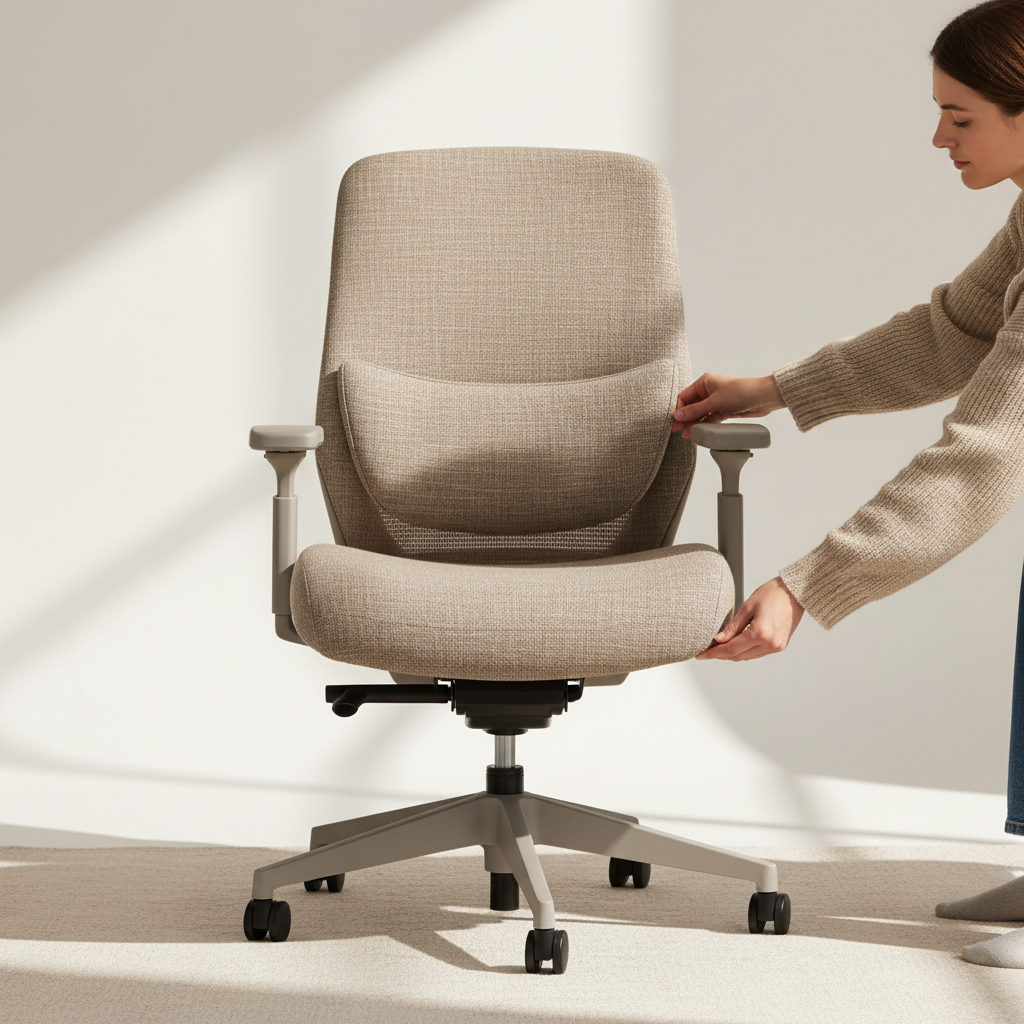
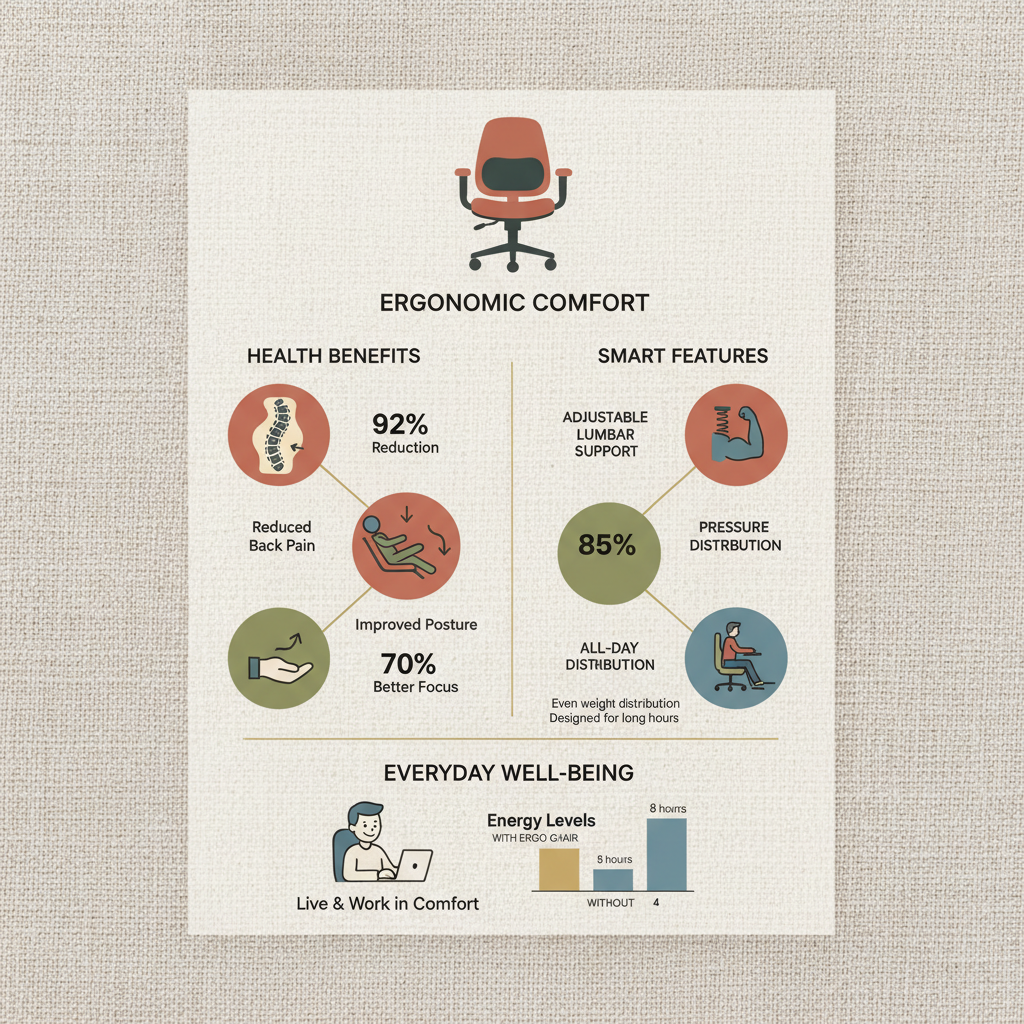
Ergonomic Office Chair with Lumbar Support for Enhanced Wellbeing and Productivity

Introduction to Ergonomic Office Chairs with Lumbar Support

Ergonomic Office Chair with Lumbar Support for Enhanced Wellbeing and Productivity

An ergonomic office chair with lumbar support is far more than just a comfortable place to sit. It’s a crucial element in preventative healthcare within the workplace, designed to mitigate the risks associated with prolonged sitting and poor posture. This design addresses the natural curvature of the spine, providing targeted support to the lumbar region, minimizing strain, and promoting a healthier sitting experience.

The increasing prevalence of sedentary jobs and the growing awareness of the detrimental effects of prolonged sitting have fueled a significant demand for these specialized chairs. Businesses are increasingly recognizing the link between employee well-being and productivity, leading to a greater willingness to invest in ergonomic solutions like an ergonomic office chair with lumbar support.

Defining Ergonomic Office Chair with Lumbar Support

At its core, an ergonomic office chair with lumbar support is a chair designed to support the human body's natural posture and movements, minimizing strain and maximizing comfort during prolonged sitting. The “lumbar support” component specifically refers to the chair's ability to cradle the lower back, maintaining the spine's natural S-curve and preventing slouching.

This isn't simply about adding a cushion to the lower back; true ergonomic design involves adjustable features that cater to individual needs. Height adjustability, armrest customization, and seat depth control are all crucial elements. A well-designed chair also facilitates natural movement, encouraging users to shift positions throughout the day and preventing stiffness.

The connection to modern industry is clear. As businesses increasingly prioritize employee health and safety, and regulations surrounding workplace ergonomics become stricter, the demand for chairs that meet these standards grows. Furthermore, the shift towards remote work has amplified the need for individuals to invest in their home office setups, including a quality ergonomic office chair with lumbar support.

Core Components of an Ergonomic Office Chair with Lumbar Support

Several key components define a truly ergonomic office chair with lumbar support. The adjustable lumbar support itself is paramount, allowing users to customize the level of support based on their individual needs and spinal curvature. Beyond lumbar support, height adjustability is crucial for ensuring proper leg and foot positioning.

Adjustable armrests are another critical feature, supporting the arms and shoulders to reduce strain on the neck and upper back. The seat depth should also be adjustable to accommodate different thigh lengths, ensuring proper support and preventing pressure on the back of the knees. Finally, a breathable mesh back promotes airflow and prevents overheating during prolonged use.

The base and casters are often overlooked, but they are essential for stability and maneuverability. A five-star base provides a wider footprint, preventing tipping, while smooth-rolling casters allow for easy movement around the workspace. These features work in tandem to create a chair that supports the body in a natural and comfortable position.

Practical Applications of Ergonomic Office Chairs with Lumbar Support

The benefits of an ergonomic office chair with lumbar support are far-reaching and applicable across numerous industries. In corporate offices, these chairs are essential for employees who spend extended periods seated at desks, preventing back pain and increasing productivity.

The healthcare sector also heavily relies on ergonomic chairs, particularly for doctors, nurses, and administrative staff who often work long hours in demanding environments. Call centers and customer service facilities, where employees are consistently seated while interacting with customers, are another prime example.

Ergonomic Office Chair with Lumbar Support – Feature Importance


Advantages and Long-Term Value

Investing in an ergonomic office chair with lumbar support yields numerous tangible benefits. Reduced healthcare costs associated with treating musculoskeletal disorders represent a significant financial saving for businesses. Increased employee productivity, resulting from enhanced comfort and reduced pain, further contributes to the return on investment.

Beyond financial gains, there are significant social and emotional benefits. Providing employees with a comfortable and supportive workspace demonstrates a commitment to their well-being, fostering a positive work environment and boosting morale. This can lead to increased employee loyalty and reduced turnover rates.

Future Trends and Innovations

The field of ergonomic office chair design is continuously evolving. We are seeing a growing trend towards incorporating smart technology into chairs, such as sensors that monitor posture and provide real-time feedback. Another innovation is the development of dynamic seating systems that encourage micro-movements throughout the day, promoting circulation and reducing fatigue.

Sustainable materials are also gaining prominence, with manufacturers increasingly utilizing recycled plastics and renewable resources in the construction of their chairs. The integration of AI-powered customization is also on the horizon, allowing chairs to automatically adjust to individual body types and preferences.

These advancements are driven by a growing understanding of the complex relationship between the human body and the work environment, as well as a commitment to creating healthier and more productive workspaces.

Challenges and Solutions

Despite the numerous benefits, challenges remain in the widespread adoption of ergonomic office chairs with lumbar support. Cost can be a significant barrier for some businesses and individuals, particularly smaller organizations with limited budgets. Furthermore, ensuring proper chair fit and adjustment requires education and training, which may not always be readily available.

To address these challenges, manufacturers are exploring more affordable ergonomic options without compromising on essential features. Online resources and educational materials can empower users to correctly adjust their chairs for optimal support. The implementation of workplace wellness programs that prioritize ergonomic assessments and training can also drive adoption.

Ultimately, overcoming these challenges requires a collaborative effort between manufacturers, employers, and employees to prioritize ergonomic principles and create healthier, more sustainable work environments.

Summary of Ergonomic Office Chair with Lumbar Support Key Performance Indicators

Feature Category Assessment Metric Importance Level (1-10) Average User Score (1-10)
Lumbar Support Adjustability Range 9 8.5
Seat Comfort Cushion Density & Material 8 7.8
Armrest Support Adjustability & Padding 7 7.2
Build Quality Material Durability & Stability 8 8.0
Breathability Mesh Back & Seat Ventilation 6 6.5
Overall Ergonomics Alignment & Posture Support 9 8.8

FAQS

What are the key differences between a standard office chair and an ergonomic office chair with lumbar support?

A standard office chair generally lacks the adjustability and specific support features of an ergonomic chair. Ergonomic chairs, especially those with lumbar support, are designed to conform to the body's natural shape, promote healthy posture, and reduce strain on muscles and joints. They typically offer adjustable height, armrests, seat depth, and crucially, dedicated lumbar support to maintain the natural curvature of the spine. This prevents slouching and minimizes the risk of back pain and other musculoskeletal disorders.

How often should I adjust my ergonomic office chair with lumbar support throughout the day?

It's recommended to make small adjustments to your chair throughout the day as your body shifts and changes position. Ideally, you should re-adjust your lumbar support, armrests, and seat height every 30-60 minutes to ensure continued optimal support. Regular micro-movements and postural changes are also essential to prevent stiffness and fatigue. Listening to your body and making adjustments as needed is crucial for maximizing the benefits of your ergonomic chair.

Are ergonomic office chairs with lumbar support expensive?

While high-end ergonomic chairs can be a significant investment, there are many affordable options available that still provide excellent support and adjustability. The cost varies depending on the features, materials, and brand. However, considering the long-term health benefits, reduced risk of musculoskeletal disorders, and increased productivity, an ergonomic chair with lumbar support can be a worthwhile investment. It’s often cheaper than treating back pain or lost workdays due to discomfort.

What is the proper way to adjust the lumbar support on my chair?

The proper adjustment of lumbar support depends on your individual body shape and spinal curvature. Generally, you should adjust the support so that it fills the natural curve of your lower back, providing firm but comfortable support. Avoid setting the support too high or too low, as this can exacerbate discomfort. A good rule of thumb is to ensure that the support feels natural and encourages a slight inward curve in your lower back while seated.

Can an ergonomic office chair with lumbar support help with existing back pain?

An ergonomic office chair with proper lumbar support can often help alleviate existing back pain, especially if it's caused by poor posture or prolonged sitting. By promoting a healthy spinal alignment and reducing strain on muscles and ligaments, the chair can provide significant relief. However, it's important to consult with a healthcare professional to diagnose the cause of your back pain and determine the best course of treatment. An ergonomic chair should be considered a supportive tool, not a cure.

How do I clean and maintain my ergonomic office chair with lumbar support?

Regular cleaning is essential to maintain the hygiene and longevity of your ergonomic chair. Use a mild detergent and a damp cloth to wipe down the fabric or mesh. For leather chairs, use a leather cleaner and conditioner. Periodically check and tighten any loose screws or bolts. Avoid using harsh chemicals or abrasive cleaners, as these can damage the materials. Following the manufacturer's instructions for cleaning and maintenance is always recommended.

Conclusion

In conclusion, an ergonomic office chair with lumbar support is no longer a luxury but a necessity in the modern workplace. Its benefits extend far beyond mere comfort, encompassing improved health, increased productivity, and a greater sense of well-being. By understanding the core components, practical applications, and future trends in ergonomic chair design, individuals and organizations can make informed decisions that prioritize the health and safety of their most valuable asset: their people.

Looking ahead, the integration of smart technologies and sustainable materials promises to further enhance the functionality and environmental responsibility of ergonomic chairs. Investing in these solutions is not only a smart business decision but also a commitment to creating a healthier and more sustainable future for all. Prioritizing ergonomic principles is an investment in a more productive, comfortable, and ultimately, human-centric workplace.


James Wilson

James Wilson

James Wilson is the OEM/ODM Account Manager at Laining Office Furniture. He works directly with clients to develop customized office furniture solutions, translating their specific needs into high-quality, manufactured products. With a strong understanding of design and manufacturing processes, James effectively manages projects from initial concept to final production. He
Previous Invest in Back Adjustable Executive Ergonomic Office Chairs for Enhanced Wellbeing
Next Invest in Employee Wellbeing with an Executive High Back Manager Ergonomic Office Chair
en_USEnglish