0%

Table of Contents

The global demand for comfortable and ergonomic seating solutions is constantly evolving, and a significant segment of this market centers around the manufacturing of oversized office chairs. This isn't simply about larger chairs; it's a specialized industry catering to diverse needs – from individuals requiring extra support to organizations prioritizing inclusivity and well-being. Understanding the intricacies of office chair oversized manufactory is crucial for businesses looking to provide optimal comfort and productivity for all users. This field is rapidly developing with advancements in materials, design, and manufacturing processes.

The rise of remote work and increased awareness of workplace ergonomics have further fueled the growth of the office chair oversized manufactory sector. Companies are now recognizing the importance of investing in seating that accommodates a wider range of body types and supports prolonged periods of sitting. This trend is coupled with a growing emphasis on sustainable manufacturing practices and the use of eco-friendly materials within the office chair oversized manufactory process.

The benefits of focusing on high-quality, well-designed oversized chairs extend beyond individual comfort. They contribute to improved employee morale, reduced risk of musculoskeletal disorders, and ultimately, increased productivity. The office chair oversized manufactory industry is positioned to play a vital role in shaping the future of work and enhancing the quality of life for millions.

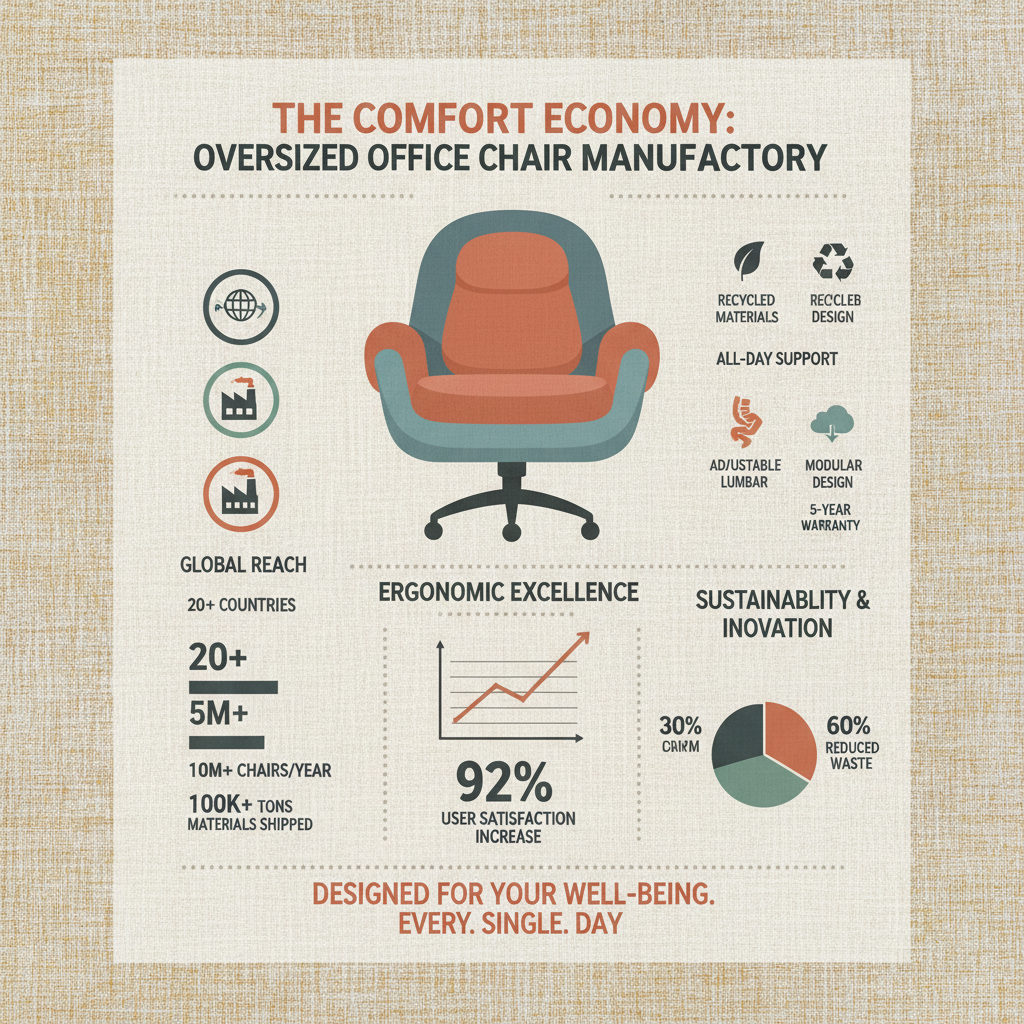
Comprehensive Guide to Oversized Office Chair Manufactory and Ergonomic Solutions

The Significance of Office Chair Oversized Manufactory

Comprehensive Guide to Oversized Office Chair Manufactory and Ergonomic Solutions

The office chair oversized manufactory sector addresses a critical need for inclusive and adaptable seating solutions. As body types vary significantly, a one-size-fits-all approach is no longer sufficient. Oversized chairs offer enhanced comfort and support for individuals who may not fit comfortably in standard-sized chairs, promoting better posture and reducing the risk of work-related injuries. This has become increasingly important as more organizations recognize the importance of employee well-being.

Furthermore, office chair oversized manufactory is a growing market driven by demographic shifts and evolving workplace designs. The demand for chairs that can accommodate larger frames and provide customizable support is on the rise, creating opportunities for innovative manufacturers to develop and deliver high-quality products. office chair oversized manufactory companies are responding by incorporating advanced ergonomic features and durable materials into their designs.

Defining Office Chair Oversized Manufactory

Office chair oversized manufactory encompasses the entire process of designing, producing, and distributing office chairs built to accommodate individuals with larger body types or those requiring extra space and support. This includes selecting appropriate materials – often high-density foam, reinforced frames, and durable upholstery – and implementing manufacturing techniques that ensure structural integrity and long-lasting performance.

The process is more complex than simply scaling up existing chair designs. It requires careful consideration of weight distribution, ergonomic principles, and the specific needs of the target user group. An effective office chair oversized manufactory operation prioritizes both comfort and safety, adhering to industry standards and regulations.

The manufacturing process often involves specialized machinery and skilled labor to handle the larger components and ensure precise assembly. The industry’s connection to modern industrial practices lies in its adoption of lean manufacturing principles, quality control measures, and continuous improvement strategies.

Core Components of Oversized Chair Manufacturing

Several key components contribute to the success of an office chair oversized manufactory operation. Firstly, a robust and durable frame is essential to support increased weight and provide stability. This often involves using steel or reinforced aluminum. Secondly, high-density foam padding and ergonomic cushioning are critical for providing exceptional comfort and support.

Thirdly, the choice of upholstery material is vital. Durable, breathable fabrics or high-quality leather are commonly used to withstand wear and tear while maintaining a comfortable seating experience. Fourthly, adjustable features, such as height, armrests, and lumbar support, are crucial for customization and optimal ergonomics.

Finally, rigorous quality control processes, encompassing material inspection, structural testing, and ergonomic assessments, are paramount to ensure that the final product meets the highest standards of performance and safety. Investing in these core components is essential for delivering a superior product and building a strong reputation in the office chair oversized manufactory market.

Key Factors Influencing Production Efficiency

Optimizing production efficiency in office chair oversized manufactory requires a multifaceted approach. One critical factor is supply chain management, ensuring a consistent and reliable flow of high-quality materials at competitive prices. Efficient inventory control and just-in-time delivery systems can minimize storage costs and reduce the risk of material shortages.

Another important factor is the implementation of automation technologies. Robotic welding, automated cutting machines, and computerized assembly lines can significantly increase production speed and accuracy while reducing labor costs. Investing in skilled labor and providing comprehensive training is also crucial for maximizing workforce productivity.

Production Efficiency Metrics in Office Chair Oversized Manufactory


Global Applications and Diverse Use Cases

The applications of office chair oversized manufactory extend beyond traditional office environments. These chairs are increasingly used in healthcare facilities to accommodate patients and staff, in educational institutions to provide comfortable seating for students of all sizes, and in public spaces such as libraries and waiting rooms.

In remote industrial zones, where workers may spend long hours seated, oversized chairs are valued for their ergonomic benefits and ability to reduce fatigue. Moreover, specialized versions are being developed for gaming and entertainment purposes, catering to the growing e-sports market.

Advantages and Long-Term Value Proposition

Investing in high-quality office chair oversized manufactory offers numerous advantages. From a cost perspective, durable chairs with extended lifespans reduce the need for frequent replacements, resulting in long-term savings. Sustainability is also a key benefit, as responsible manufacturers prioritize the use of eco-friendly materials and implement environmentally conscious production processes.

The social impact is significant, as oversized chairs promote inclusivity and accessibility, ensuring that individuals of all body types can work and learn comfortably. Reliability and durability build trust with customers, enhancing brand reputation and fostering long-term relationships. Ultimately, a commitment to quality in office chair oversized manufactory translates to a healthier, more productive, and more inclusive workplace.

Future Trends and Innovations in Manufacturing

The future of office chair oversized manufactory is likely to be shaped by several key trends. The integration of advanced materials, such as bio-based polymers and recycled plastics, will drive sustainability efforts. Digital transformation, including the use of 3D printing and virtual reality design tools, will enable greater customization and faster product development cycles.

Automation will continue to play a crucial role, with the development of intelligent robots capable of performing complex assembly tasks. Furthermore, the adoption of circular economy principles, such as design for disassembly and product remanufacturing, will minimize waste and maximize resource efficiency in the office chair oversized manufactory sector.

The focus on ergonomic customization, driven by AI and biometric data, will allow chairs to adapt to individual user needs in real-time, maximizing comfort and promoting well-being.

FAQS

What are the key differences between standard and oversized office chairs in terms of manufacturing costs?

Oversized office chairs typically incur higher manufacturing costs due to the increased material usage – a larger frame, more foam, and more fabric are required. Additionally, handling and transporting larger components can raise logistical expenses. However, these costs can be offset by economies of scale and optimized production processes. Investing in efficient material sourcing and automating certain stages of the office chair oversized manufactory process can help to mitigate these higher costs.

How do oversized chairs meet ergonomic standards and ensure user comfort?

Meeting ergonomic standards in office chair oversized manufactory requires careful attention to several factors. This includes a properly designed seat pan that supports the thighs without pressure, adjustable lumbar support, armrests that accommodate a wide range of body types, and a robust frame that ensures stability and prevents sinking. Manufacturers often conduct rigorous testing to ensure their chairs meet ANSI/BIFMA standards and provide optimal comfort.

What materials are commonly used in the manufacture of oversized office chairs, and are there sustainable options?

Common materials include steel or reinforced aluminum for the frame, high-density foam for cushioning, and durable fabrics or leather for upholstery. Sustainable options are gaining popularity, such as recycled steel, bio-based foams, and fabrics made from recycled plastics or organic cotton. office chair oversized manufactory companies are increasingly prioritizing eco-friendly materials to reduce their environmental footprint.

What quality control measures are essential during the production of oversized chairs?

Essential quality control measures include material inspection, frame strength testing, weld integrity checks, and ergonomic assessments. Manufacturers should also conduct durability testing to ensure the chair can withstand prolonged use and varying weight loads. Regular inspections throughout the office chair oversized manufactory process are crucial for identifying and addressing potential defects.

How does customization affect the manufacturing process and cost of oversized chairs?

Customization can significantly impact both the manufacturing process and cost. Offering options like fabric choice, armrest adjustments, and lumbar support levels requires more flexible production lines and increased inventory management. However, customization can also add value for customers and differentiate a manufacturer in the office chair oversized manufactory market. Digital design tools and modular manufacturing techniques can help to streamline the customization process.

What are the emerging technologies shaping the future of oversized chair manufacturing?

Emerging technologies include 3D printing for rapid prototyping and customized components, AI-powered design tools for optimizing ergonomics, and robotic automation for assembly and quality control. The use of IoT sensors to monitor chair usage and provide data for improvements is also gaining traction. These technologies are transforming the office chair oversized manufactory landscape and enabling manufacturers to deliver innovative and personalized solutions.

Conclusion

In conclusion, office chair oversized manufactory is a dynamic and evolving sector responding to the diverse needs of modern workplaces and individuals. By prioritizing durability, ergonomics, sustainability, and innovative manufacturing processes, manufacturers can deliver high-quality seating solutions that enhance comfort, promote well-being, and drive productivity. Understanding the core components, challenges, and future trends within this industry is essential for businesses seeking to thrive in a competitive market.

Looking ahead, the office chair oversized manufactory industry is poised for continued growth, driven by increasing awareness of ergonomic principles, the demand for inclusive design, and the adoption of cutting-edge technologies. Investing in research and development, fostering collaboration between manufacturers and designers, and embracing sustainable practices will be crucial for shaping the future of this vital industry. Visit our website: www.laining-global.com


Michael Evans

Michael Evans

Michael Evans is the Quality Control Director at Laining Office Furniture. A dedicated professional with a degree in Industrial Quality Management, Michael oversees all aspects of quality assurance throughout the manufacturing process. He’s focused on maintaining Laining's commitment to rigorous standards, including raw material inspection, in-process control, and final product
Previous Invest in a Heavy Duty Ergonomic Office Chair for Optimal Workplace Wellness
Next Optimize Workplace Wellbeing with Premium Ergononic Office Chair Wholesales
en_USEnglish