
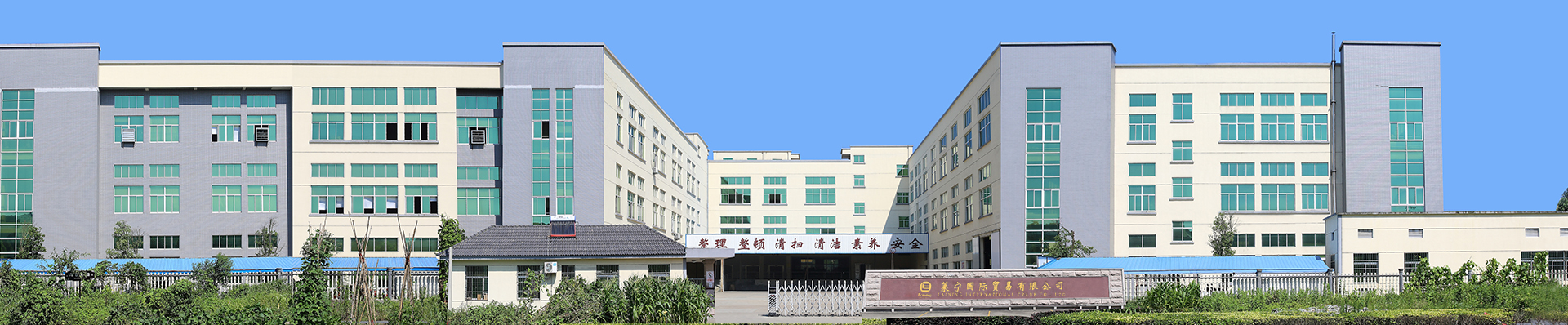
Laining Mesh Back Visitor Chair: Comfort and Durability for Modern Workspaces
Understanding the Laining Mesh Back Visitor Chair: A Blend of Comfort and Practicality
If you’ve ever visited a modern corporate office, hospital waiting room, or government facility, chances are you’ve encountered the laining mesh back visitor chair without even realizing it. But what exactly makes this chair so essential worldwide? Well, beyond the obvious — seating — it plays a surprisingly significant role in comfort, ergonomics, and even sustainability in public and professional spaces. Understanding this chair’s design and applications not only enriches your appreciation for everyday objects but aligns with global trends in workplace health, resource efficiency, and user-centered design. Let’s explore why this seemingly simple object matters globally.
Global Context: Why the Laining Mesh Back Visitor Chair Matters
Globally, urbanization and office-based industries are booming. According to the United Nations, over 56% of the world’s population lived in urban areas as of 2020, a figure expected to jump to 68% by 2050.[1] That translates directly into demand for functional, durable, and ergonomic visitor seating across industries from healthcare to government to commercial enterprises. In fact, ISO standards such as ISO 9241 emphasize ergonomic measurements for office furniture, to reduce occupational health issues like musculoskeletal disorders.[2] Here's where the laining mesh back visitor chair helps address a pervasive challenge: how do we ensure comfortable seating that supports posture yet is cost-effective and sustainable at scale? This chair model bridges that gap neatly.
Simply put, the laining mesh back visitor chair isn’t just about filling a room with chairs; it embodies an informed response to evolving societal needs for health-conscious, flexible, and eco-friendly furniture solutions.
What is a Laining Mesh Back Visitor Chair?
Put plainly, the laining mesh back visitor chair refers to a type of seating featuring a breathable mesh fabric on its backrest, designed primarily for visitor use in offices, clinics, or public waiting areas. The mesh material promotes better air circulation, helping reduce heat buildup — a key comfort factor often overlooked in visitor chairs. The chair frame is usually steel or durable plastic, often with cushioned seats, sometimes stackable or linked for space efficiency.
Its connection to modern industries is straightforward yet important: it improves patient and guest comfort in high-turnover environments, simultaneously promoting sustained use without quickly wearing out. Humanitarian organizations, by analogy, often stress furniture that is lightweight, easy to transport, and durable — qualities the laining mesh back visitor chair embodies in commercial settings.
Core Components and Key Features
1. Ergonomic Design
The mesh back supports the natural curvature of the spine and provides movement flexibility. Ergonomic principles reduce fatigue and discomfort, even during longer waiting periods.
2. Breathable Mesh Material
This weave fabric increases airflow, reducing perspiration and making the chair cooler than traditional upholstered models — especially important in warmer climates or less-air-conditioned spaces.
3. Durability & Build Quality
Steel or reinforced plastic frames provide longevity. Functional joints and thick mesh can sustain daily use with minimal degradation.
4. Aesthetic & Space Efficiency
Often available in sleek colors and stackable configurations, these chairs complement professional environments while optimizing room layouts.
5. Cost Efficiency
Compared to leather or fully cushioned chairs, mesh back visitor chairs have lower production and maintenance costs without sacrificing comfort.
Mini Takeaway:
The laining mesh back visitor chair packs a serious punch — ergonomic comfort, durability, and thoughtful material choices all rolled into one sensible design.
Specifications at a Glance
| Feature | Specification |
|---|---|
| Backrest Material | High-density breathable mesh fabric |
| Frame Material | Powder-coated steel or reinforced plastic |
| Seat Cushion | High-density polyurethane foam |
| Weight Capacity | Up to 120 kg (265 lbs) |
| Stackable | Yes, up to 5 chairs high |
| Typical Dimensions (WxDxH) | 52 cm x 54 cm x 86 cm |
Global Applications and Use Cases
The laining mesh back visitor chair has found its way into numerous industries and geographies. In North America and Europe, it’s common in healthcare facilities where visitor comfort and hygiene take precedence. Mesh materials are easy to clean and don’t trap dust or allergens as much as fabric upholstery might.
In Asia-Pacific office complexes, these chairs aid large visitor lounges accommodating many guests daily. Stackable designs help manage space during peak visitor hours or events.
In government buildings and educational institutions across Latin America, the chairs balance formality with comfort, making waiting more bearable — which honestly, is no small thing in bureaucratic lines.
Anecdotally, I’ve heard facility managers say these chairs “hold up well even in high-traffic zones” and “feel welcoming without trying too hard.”
Mini Takeaway:
Versatile across cultural and industrial contexts, these chairs meet diverse needs through adaptable design and proven durability.
Comparing Top Vendors for Laining Mesh Back Visitor Chairs
| Vendor | Material Quality | Price Range (USD) | Warranty | Customization Options |
|---|---|---|---|---|
| Laining Global | High-density mesh, steel frame | $65 - $85 | 5 years | Color, size, and stackability |
| ComfortSeating Inc. | Medium-density mesh, plastic frame | $55 - $75 | 3 years | Basic color options |
| Global Office Furnishings | High-quality mesh, aluminum frame | $80 - $105 | 7 years | Extensive customization |
Advantages & Long-Term Value
What really sets the laining mesh back visitor chair apart? For one, the blend of cost efficiency and ergonomic design means organizations don’t have to choose between user comfort and budgeting constraints. Long term, these chairs reduce repetitive strain complaints in users—a subtle but important benefit contributing to workplace well-being.
From a sustainability perspective, using recyclable materials like steel and mesh fabric keeps environmental impact moderate versus heavy wood or leather alternatives. Socially, providing dignified and comfortable seating to visitors says a lot about an organization’s values.
Future Trends & Innovations
Correlating with the growing global focus on sustainability and tech integration, manufacturers are investigating bio-based mesh materials and smart seating technologies. Imagine a mesh visitor chair embedded with sensors to monitor posture or occupancy, feeding data to facilities managers to optimize space use.
Likewise, with rising demand for greener products, expect more water-based coatings and recyclable composites, reducing VOC emissions and environmental footprints. The laining mesh back visitor chair is not immune to this wave of innovation.
Challenges & Solutions
Of course, no product is perfect. One common limitation is the mesh’s susceptibility to tearing if improperly used or exposed to sharp objects. Additionally, lower-end models may sacrifice frame robustness, leading to wobbling or reduced lifespan.
Experts recommend purchasing from reputable vendors with robust warranties and insist on routine maintenance checks. Also, user education on care increases furniture longevity—sometimes the simplest solutions are the most effective.
FAQ: Frequently Asked Questions About Laining Mesh Back Visitor Chairs
- Q1: How does the mesh back contribute to user comfort compared to traditional visitor chairs?
- A: The breathable mesh promotes airflow, reducing heat and sweat build-up, which is common with cushioned or leather chairs. This helps visitors stay comfortable during longer wait times, especially in warmer or non-air-conditioned environments.
- Q2: Can the laining mesh back visitor chair be used outdoors?
- A: Generally, these chairs are designed for indoor use. However, some models with weather-resistant mesh and powder-coated steel frames can be suitable for covered outdoor areas, but prolonged exposure to elements is not recommended.
- Q3: Are these visitor chairs easy to maintain?
- A: Yes, due to their straightforward mesh and steel construction, these chairs typically require simple cleaning with mild detergent and water. They are less prone to staining, and their materials dry quickly, making upkeep fairly effortless.
- Q4: What customization options are typically available?
- A: Vendors often offer color variations for mesh and frame, seat cushion materials, stackability, and sometimes adjusting height or armrest styles to fit specific environments or branding needs.
- Q5: How long can a quality laining mesh back visitor chair last?
- A: With proper care, these chairs often last between 5 to 10 years in commercial settings, depending on usage intensity and build quality. Warranty periods ranging from 3 to 7 years are common indicators of expected durability.
Conclusion: Comfortable, Practical, and Here to Stay
The laining mesh back visitor chair exemplifies thoughtful design converging with modern workplace demands — comfort, durability, sustainability, and smart cost management. Its global appeal across industries is no accident; it meets a real need for inviting, reliable seating solutions in increasingly busy public spaces.
If you’re in the market for visitor chairs that combine ergonomic benefits with practical value, laining mesh back visitor chair options are worth serious consideration. They represent a balanced investment in human-centered design and longevity.
Visit our website for detailed product lines, customization opportunities, and insights into choosing the right seating for your space.
Oddly enough, something as simple as a chair can tell us a lot about innovation, social care, and sustainability in an evolving world.
References
- United Nations, World Urbanization Prospects (2018 Revision). https://population.un.org/wup/
- ISO 9241-5:1998 Ergonomic requirements for office work with visual display terminals (VDTs)—Part 5: Workstation layout and postural requirements. https://www.iso.org/standard/16883.html
share:
-
Comprehensive Meeting Table and Chairs Set Pricelist for Your Office SpaceNewsMar.31,2026
-
Find Reliable Meeting Table and Chairs Set Factories for Your Business NeedsNewsMar.28,2026
-
Find Reliable Meeting Table and Chairs Set Suppliers for Your BusinessNewsMar.26,2026
-
Comprehensive Meeting Table and Chairs Set Factory Sourcing Solutions WorldwideNewsMar.24,2026
-
Choosing the Best Ergonomic Office Recliner Chair Company for Your WorkplaceNewsMar.21,2026
-
Find Top Ergonomic Office Recliner Chair Manufacturers For Your BusinessNewsMar.19,2026
-
Invest in Comfort and Health with Ergonomic Office Recliner Chair ProductsNewsMar.17,2026
 English
  Arabic
  Belarusian
  Danish
  Dutch
Dutch  Finnish
  French
  German
  Greek
Greek  Icelandic
  Italian
  Japanese
  Korean
  Latin
Latin  Polish
  Portuguese
  Russian
  Spanish
  Swedish
  Thai
Thai