
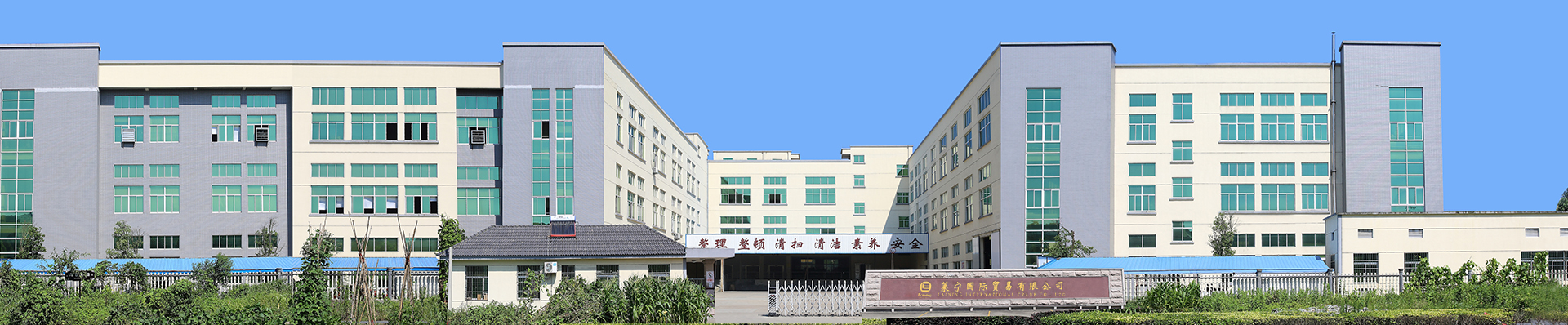
Modern Meeting Room Chairs: Ergonomic, Sustainable Seating Solutions for Today's Workspace
Modern Meeting Room Chairs: More Than Just Seating
When we think about outfitting today's meeting rooms, a “chair” might sound like a basic piece of furniture, right? But modern meeting room chairs have evolved into more than just places to park yourself during a long conference call. Globally, these chairs are part of a bigger conversation around office ergonomics, employee well-being, and sustainable design—topics that couldn’t be more relevant in today’s increasingly hybrid work culture. Understanding what makes a modern meeting room chair tick benefits facility managers, designers, and organizations who value comfort and productivity—but also sustainability and smart investment.
The Global Stage: Why Modern Meeting Room Chairs Matter
Worldwide, the office furniture market is booming, expected to hit $65 billion by 2027 according to recent industry reports. That’s a lot of chairs! Organizations, from tech startups in Silicon Valley to NGOs at the United Nations headquarters, are investing in modern meeting room chairs to enhance collaborative spaces. The International Labour Organization (ILO) has repeatedly highlighted worker comfort as a factor in productivity uplift, citing how poorly designed seating leads to increased fatigue and musculoskeletal disorders.
Yet, there’s a challenge: many companies struggle to select chairs that balance ergonomics with aesthetics, sustainability, and cost. This is exactly where modern meeting room chairs come into play—they address these problems by combining smart design with durable materials for a holistic workplace upgrade.
Mini takeaway:
- Global demand spikes due to hybrid work models.
- Employee well-being drives ergonomic chair choices.
- Balancing cost, durability, and style is a common struggle.
What Exactly Are Modern Meeting Room Chairs?
At its core, a modern meeting room chair is a seating solution designed specifically for the collaborative environments of today’s workplaces. Unlike generic office chairs, these are crafted with focus on:
- Ergonomics: Supporting long meetings without discomfort.
- Modularity & Flexibility: Able to fit various room sizes and layouts.
- Sleek Design: Often minimalist yet reflective of corporate brand aesthetics.
- Material Innovation: Using eco-friendly or sustainable resources.
Many organizations, especially in tech and creative sectors, treat these chairs as an expression of company culture — combining comfort with forward-looking design. Humanitarian organizations, too, are starting to recognize how well-designed meeting spaces can foster better collaboration in crisis response teams.
Mini takeaway:
- Essentially ergonomically-focused seating for meetings.
- Blends comfort, style, and sustainability.
- Represents values of innovation and inclusivity.
Key Components to Consider in Modern Meeting Room Chairs
1. Ergonomics & Comfort
It might sound obvious, but ergonomics remains the linchpin. Features like lumbar support, adjustable seat heights, and breathable materials help people stay focused and fresh during lengthy discussions. The ISO 9241-5 standard speaks extensively about ergonomic principles in seating design, which many manufacturers lean on.
2. Material & Durability
Chairs that last reduce waste and long-term cost. Many modern chairs use recyclable plastics, treated fabrics, and light steel frames designed to resist rust and wear. Durability feels more important than ever — after all, no one wants squeaky chairs mid-presentation.
3. Aesthetic & Customization
Color options, shapes, and finishes offer customization possibilities. Businesses appreciate chairs that reinforce brand identity or fit their interior’s style effortlessly. Modular designs allow easy rearrangement or addition depending on meeting room size shifts.
4. Sustainability & Environmental Impact
Remarkably, many modern meeting room chairs now emphasize green credentials — using recycled components, low-VOC glues, and even renewable bamboo materials. This aligns with growing corporate social responsibility (CSR) initiatives worldwide.
5. Scalability & Storage
In offices where flexibility is key, stackable or foldable options provide scalability. This means institutions can quickly adjust seating capacity without buying extra hardware.
Mini takeaway:
- Ergonomics tops the wish list.
- Longevity vs. style is a balancing act.
- Sustainability increasingly influences purchasing decisions.
- Adaptability adds real functional value.
How Are Modern Meeting Room Chairs Used Around the World?
From boardrooms in Europe to community centers in Asia, these chairs appear in spaces that rely on human connection. In North America, tech firms outfit innovation labs with swiveling, adjustable seats for quick brainstorming sessions. Meanwhile, multinational NGOs use durable, easy-care models in temporary emergency operation centers — sometimes shipping them across borders to sites in Africa or the Caribbean.
Interestingly, in Japan and Scandinavian countries, where design minimalism meets function, modern chairs often integrate materials like natural wood or recycled steel. In India, co-working spaces choose lightweight, affordable options that can be moved easily to serve multiple rooms.
Mini takeaway:
- Used globally in diverse sectors: tech, NGOs, government.
- Regional preferences influence design and material choices.
- They support collaboration and agile workspace concepts.
The Advantages and Long-Term Value of Choosing Modern Meeting Room Chairs
Beyond immediate comfort, these chairs deliver:
- Improved Productivity & Focus: Comfortable seating leads to less distraction and better meeting outcomes.
- Sustainability: Eco-conscious materials and durability reduce environmental impact.
- Cost Efficiency: Though sometimes pricier upfront, longer lifespans reduce replacement frequency.
- Emotional Impact: Reflect corporate care for employee well-being, enhancing morale and trust.
- Versatility: Easily adapts to different room setups and uses, future-proofing investments.
Product Specifications: A Typical Modern Meeting Room Chair
| Feature | Description |
|---|---|
| Seat Height | 420–530 mm adjustable |
| Material | Mesh back, recycled polypropylene seat |
| Weight Capacity | Up to 120 kg |
| Frame | Powder-coated steel, rust-resistant |
| Features | Stackable, ergonomic curve, 360° swivel (select models) |
| Certifications | BIFMA & GREENGUARD certified |
Vendor Comparison: Selecting the Right Supplier
| Vendor | Sustainability | Customization | Price Range | Global Shipping |
|---|---|---|---|---|
| EcoChair Co. | 100% recycled materials | High (colors & finishes) | $$$ | Yes |
| FlexSeat Ltd. | Low VOC, FSC wood | Medium | $$ | No |
| MetroOffice | Standard materials | Low | $ | Yes |
Emerging Trends in Meeting Room Seating
Looking ahead, the buzz is all about integration. Expect chairs with embedded sensors measuring posture or stress levels, smart materials switching firmness based on user profiles, or even antimicrobial surfaces flush with the realities of pandemic-conscious design. The race for greener methods keeps accelerating: bioplastics and circular economy models are no longer just buzzwords but consumer demands.
Challenges and How to Overcome Them
One sticking point? Cost. High-quality ergonomic chairs can be pricey, especially for startups or NGOs operating on tight budgets. Yet, many experts advise factoring in total life cycle cost, which often makes investing up front smarter. Another challenge lies in educating users — ergonomic design only works if people adjust and use chairs properly, which means onboarding or simple guides can be invaluable.
FAQ: Frequently Asked Questions About Modern Meeting Room Chairs
- What features should I prioritize for ergonomic meeting room chairs?
- Focus on adjustable seat height, lumbar support, and breathable materials. These have the biggest impact on comfort during extended meetings.
- Are modern meeting room chairs sustainable?
- Many are made with recycled or eco-friendly materials and certified to environmental standards, but always verify with the vendor for specific certifications like GREENGUARD or BIFMA.
- Can these chairs fit in small meeting rooms?
- Definitely. Many modern chairs are designed to be stackable or slim-profile, ensuring they suit tight spaces without sacrificing comfort.
- How often should meeting room chairs be replaced?
- Durability varies, but good-quality chairs last about 7-10 years with proper care, making them a sound long-term investment.
- Is customization expensive?
- It depends, but mid- to high-end vendors typically charge a premium for bespoke colors or materials. Sometimes bulk orders reduce those costs.
Wrapping Up: Why These Chairs Are an Upgrade Worth Making
Modern meeting room chairs are quietly transforming the way we collaborate — from compact huddle rooms to sprawling international conference centers. By investing in ergonomics, sustainability, and smart design, organizations are not only boosting productivity but also showing they care about people and the planet. So, next time you're choosing office seating, remember—it’s not just a chair; it’s part of the company's culture and future.
Curious to explore options or place an order? Visit https://www.laining-global.com for a curated selection of modern meeting room chairs tailored to your space and needs.
References
share:
-
Comprehensive Meeting Table and Chairs Set Pricelist for Your Office SpaceNewsMar.31,2026
-
Find Reliable Meeting Table and Chairs Set Factories for Your Business NeedsNewsMar.28,2026
-
Find Reliable Meeting Table and Chairs Set Suppliers for Your BusinessNewsMar.26,2026
-
Comprehensive Meeting Table and Chairs Set Factory Sourcing Solutions WorldwideNewsMar.24,2026
-
Choosing the Best Ergonomic Office Recliner Chair Company for Your WorkplaceNewsMar.21,2026
-
Find Top Ergonomic Office Recliner Chair Manufacturers For Your BusinessNewsMar.19,2026
-
Invest in Comfort and Health with Ergonomic Office Recliner Chair ProductsNewsMar.17,2026
 English
  Arabic
  Belarusian
  Danish
  Dutch
Dutch  Finnish
  French
  German
  Greek
Greek  Icelandic
  Italian
  Japanese
  Korean
  Latin
Latin  Polish
  Portuguese
  Russian
  Spanish
  Swedish
  Thai
Thai